Code Moment | GalaxySpace Launches Seven Satellites in One Rocket

China's first low-orbit broadband communications test constellation
#CodeMoment Key Updates from Source Code Capital and CodeGather Members
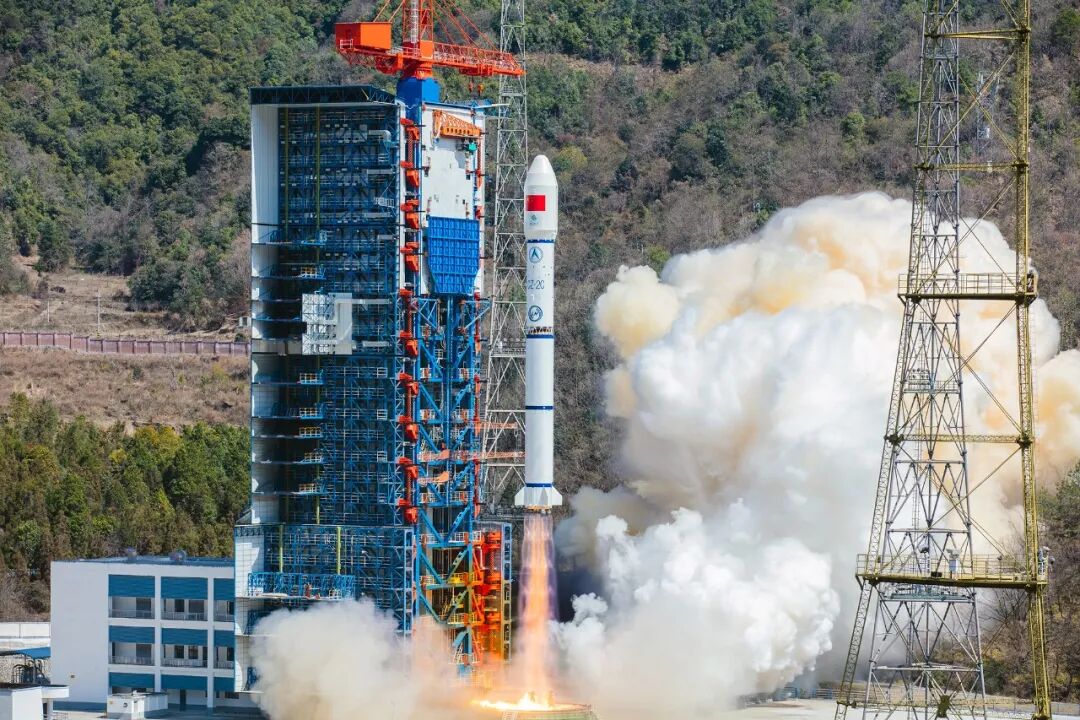
GalaxySpace's second batch of mass-produced satellites — developed and manufactured independently by GalaxySpace — are low-orbit broadband communication satellites of internationally advanced caliber. Launched by a Long March 2C carrier rocket from the Xichang Satellite Launch Center, they were successfully delivered to their designated orbits. The success of this mission carries positive significance for advancing China's commercial low-orbit satellite communication and remote sensing integration technology.
May we never cease exploring in the vast river of stars, creating lasting, real value.
At 14:01 on March 5, China successfully launched six low-orbit broadband communication satellites — GalaxySpace's second batch of mass-produced satellites, the country's first batch-developed satellites of this kind — into their designated orbits using a Long March 2C carrier rocket at the Xichang Satellite Launch Center. The mission was a complete success. A remote sensing satellite was also carried as a secondary payload. This successful launch verified China's capabilities in low-cost, batch satellite manufacturing and networked operations — essential for building megaconstellations for satellite internet. It carries positive significance for advancing China's commercial low-orbit satellite communication and remote sensing integration technology.
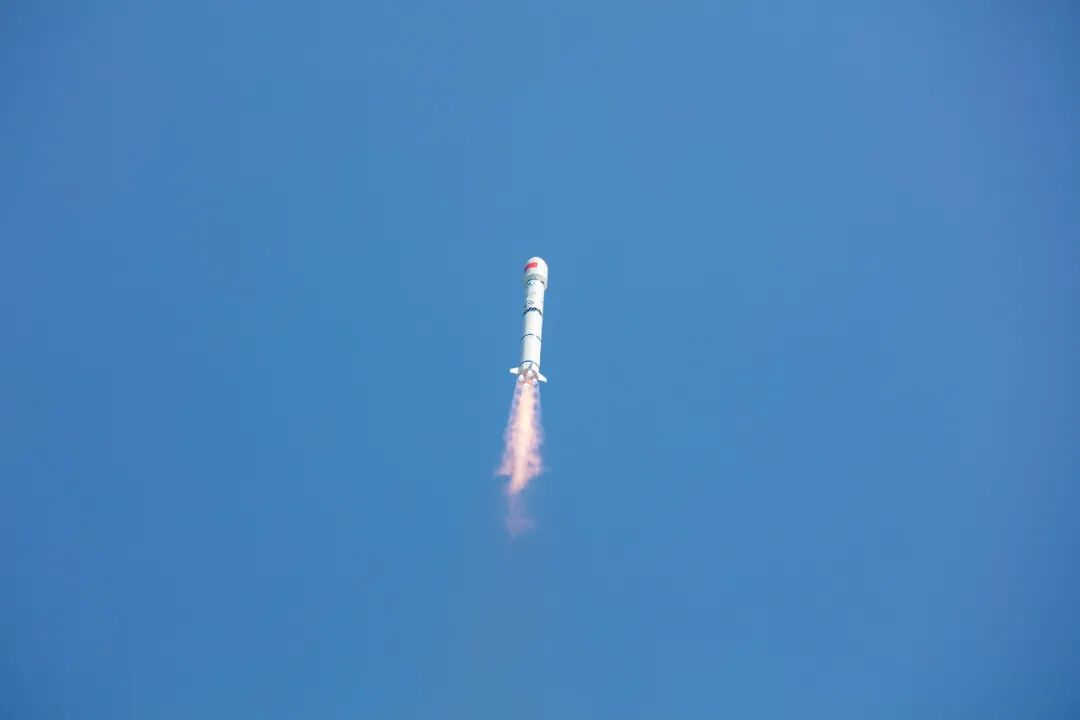
GalaxySpace's second batch of mass-produced satellites are low-orbit broadband communication satellites independently developed and batch-manufactured by GalaxySpace, with internationally advanced specifications. Each satellite is designed with a communication capacity exceeding 40 Gbps, with an average weight of approximately 190 kg. These six satellites will join GalaxySpace's first satellite in orbit to form China's first low-orbit broadband communication test constellation, building a satellite-ground converged 5G test network called the "Little Spider Web." This network is capable of uninterrupted, low-latency broadband communication services lasting approximately 30 minutes per session, and will be used for technical verification of China's low-orbit satellite internet and integrated space-ground networks.
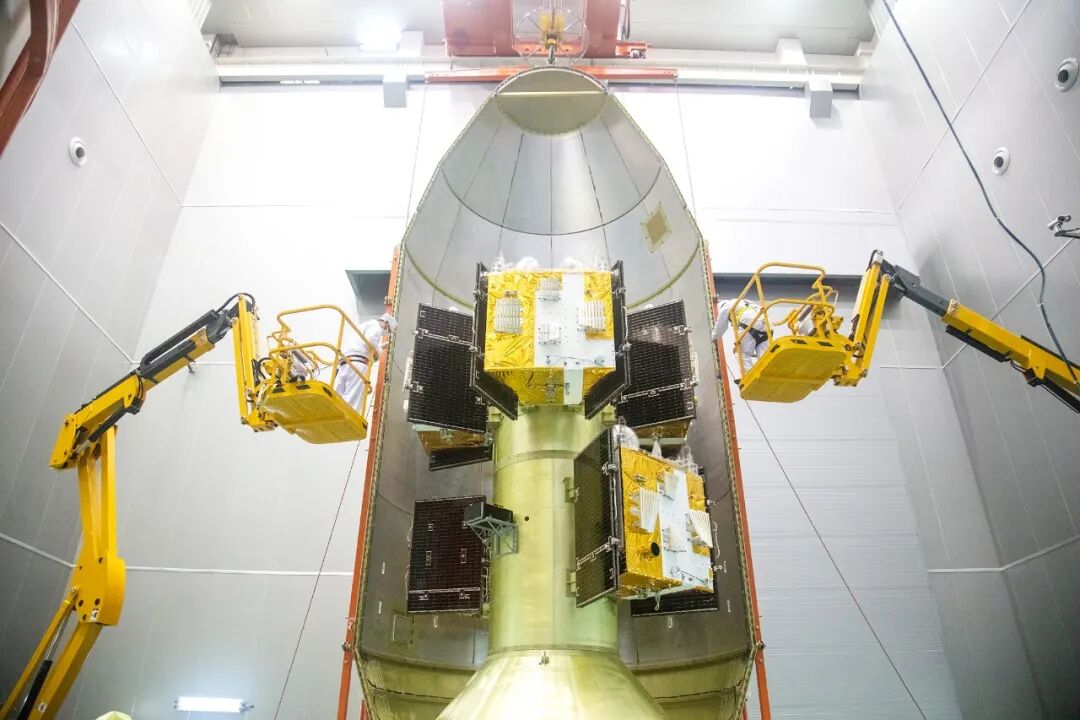
Four of the GalaxySpace second batch satellites were respectively named "Nantong-1," "ETU Star Wish," "Xuancheng-1," and "BUPT-GalaxySpace." Additionally, one remote sensing test satellite was named "Xuanming Star Wish."

- 2021: Original Aspiration Is the Future
- Source Code Capital Completes RMB Fund V Raise: Driving Technology Innovation, Empowering SMEs
- Congratulations to Source Code Portfolio Company GalaxySpace on Successful First Satellite Launch!
- Congratulations to Source Code Portfolio Company Space Transportation on Successful First Horizontal Recovery Technology Verification Rocket Test Flight!
- Source Code Portfolio Company GalaxySpace Successfully Launches Test Payload!
- Source Code Portfolio Company "GalaxySpace" Announces New Funding Round; Existing Shareholder Source Code Capital Continues to Increase Stake
- Source Code Portfolio Company Commercial Aerospace Firm "GalaxySpace" Announces New Funding Round