Half of 2025 is gone — 9 AI Aha Moments

Great products are often born at the "Crossing" of technology and the humanities.
🎪 This week's Crossing podcast isn't a founder interview, but a mid-year personal share from me about the Aha Moments I've felt in AI over the past six months.

The first half of 2025, from DeepSeek r1 to Manus to GPT-o3 — almost every week, even every day, the AI industry has been evolving rapidly.
This is Koji's mid-year personal share about 9 Aha Moments I've experienced in AI over the past six months — including, but not limited to, a technical breakthrough, a product launch, and an entrepreneur's story.
This episode isn't about sharing the cutting-edge knowledge of large models, nor is it attempting some kind of Top 10 product ranking. It's about sharing my personal feelings from being on the front lines, talking with founders and experiencing products every day.
These feelings carry strong personal color. Some things may move me but not necessarily others; similarly, many things that excite others may not stir even the slightest ripple in me. I hope this share can offer everyone some different perspectives and spark some meaningful conversations.
This podcast was recorded at the Amazon Web Services China Summit.
This year's summit, the Crossing team was pulled in by AWS to do something big — we built a 300-square-meter pop-up space called "AI Daydream Stage." I filmed a vlog about these two days:
Friends familiar with Crossing know that open mic is a signature feature of our offline events, where we invite active players in the AI era to take the stage and share their ideas, products, or entrepreneurial experiences in AI for 10 minutes.
This time, nearly 20 friends took the open mic stage, speaking from dawn till dusk. There were two leading AI companies — Dify co-founder Junchen Yan and Zilliz sales lead Jordan with their joint open mic; multiple Gen-Z founders from Spark Lab and AdventureX; plus top Bilibili creators Fan from AI Research Lab, Tongji Zihao and his robot and robotic dog, and more.
I also shared 9 Aha Moments AI Brought Me in 2025 at the open mic. Open mic only allows 10 minutes, so I only briefly went through what these 9 Aha Moments were. Afterward, I recorded this full podcast.
First, one feeling: 2025 has just changed too fast.
Six months ago, at the end of 2024, Crossing and Manqi Cheng, deputy editor-in-chief of LatePost, did an annual review of large models: ByteDance in Motion, Alibaba Restless, AI's "Little Six Dragons" Shaken — A Year-in-Review of the Fierce Model Wars with "LatePost".
In that review, we spent almost 95% of our time talking about the AI "Little Six Dragons," talking about ByteDance and Alibaba.
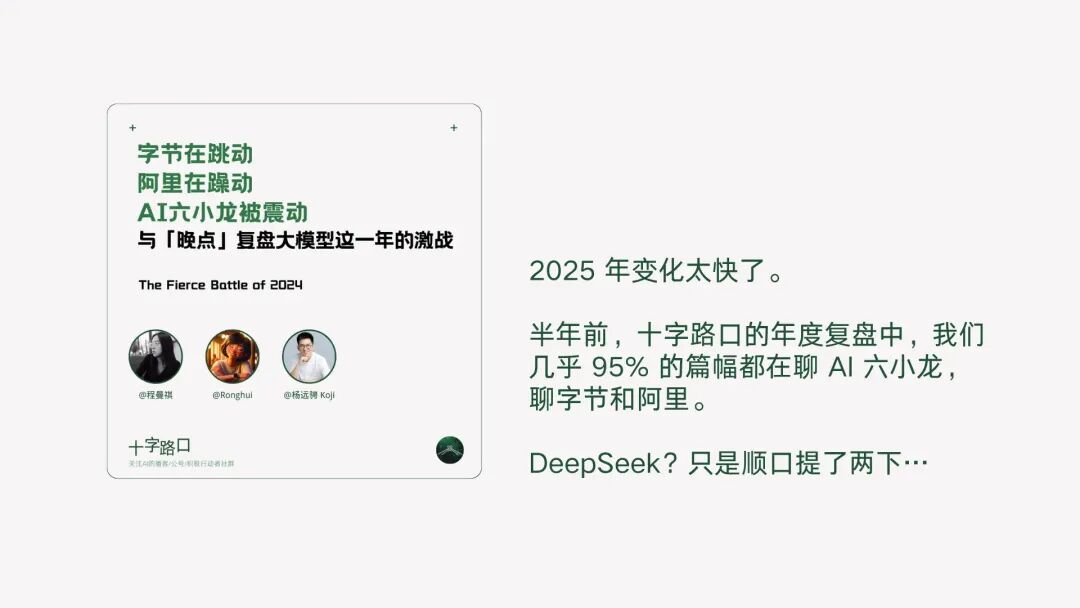
We only briefly mentioned DeepSeek. I remember mentioning two points:
I used the word "magical" to describe DeepSeek, which hadn't yet shown its full strength at the time — saying that although it wasn't a major tech giant, it was backed by quantitative trading veterans with ample resources, its model was already gaining some overseas recognition, and it was worth watching;
At the same time, I shared an impressive DeepSeek story I'd heard:
They firmly refused to do any commercialization, because they believed DeepSeek's sole mission was to pursue greater large model intelligence, and even the slightest commercial move would distract and dilute their time and energy.
This was an extremely pure, and extremely luxurious, team.
Just six months ago, DeepSeek was merely one of several "worth a mention" small large model companies on the periphery. We mentioned it not because of outstanding model intelligence, but because it "had a great story" — its chosen path was different, standing alone.
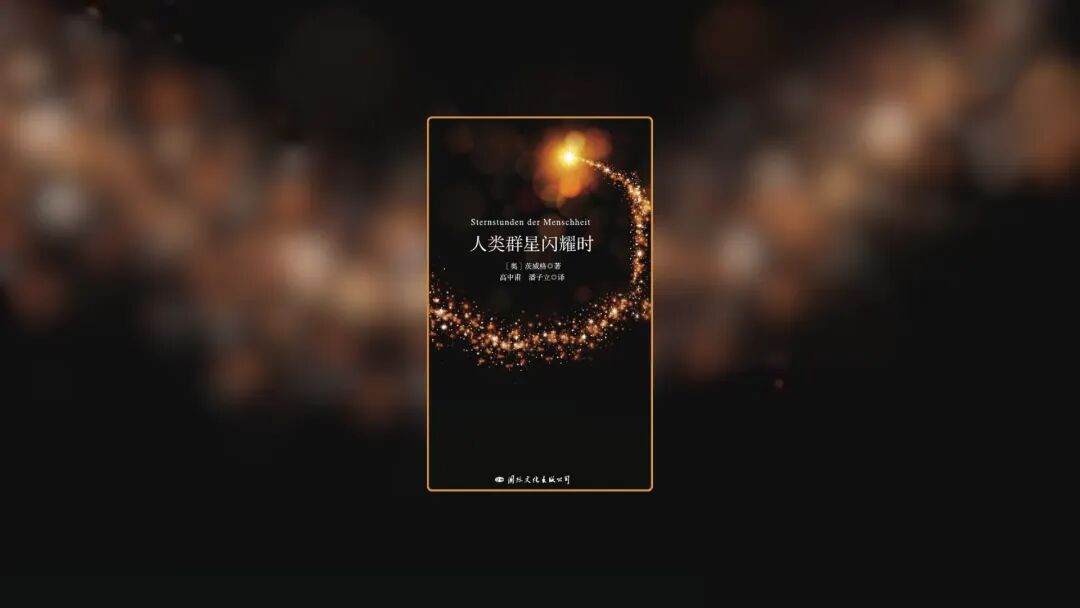
Every era of major technological transformation is a golden period where heroes emerge in abundance. Being able to witness it firsthand excites me, and often reminds me of that Stefan Zweig book I read in my youth: Decisive Moments in History.
So, in such an era, what should we do?
At Crossing, we interview and bring together a new generation of AI entrepreneurs and active players.
Maybe it's related to my personality — I particularly love "learning by doing," love "getting moving."
Recently, many friends have asked me: "You seem busy lately, what are you busy with?"
I said: AI is changing too fast, there are too many products. The technological progress and product innovation, at first exhilarating, quickly become information overload to the point of anxiety. It takes a lot of effort just to keep up. Honestly, everyone in the industry is working pretty hard.
That's why when doing this mid-year summary, I thought of sharing Aha Moments — hoping this share can give everyone some light inspiration, and also open up some new conversations.
① "This Isn't a Fair Competition!"

After Yueguang Zhang, founder of Miaoya Camera, started his new company, his AI application startup raised over 300 million RMB in total, receiving significant recognition and expectations.
In a previous share, he mentioned his worries and anxiety:
"As an application entrepreneur, you always worry that when you're building something, the model in your hands isn't the best. So it's not fair. This isn't a fair competition."
Once, even an entrepreneur who'd raised 300 million RMB felt it was "unfair."
But DeepSeek's open source changed this situation. From then on, SOTA models became public resources available to everyone — every application entrepreneur could use the best models.
And this wasn't just fairness in intelligence, but also cost reduction:
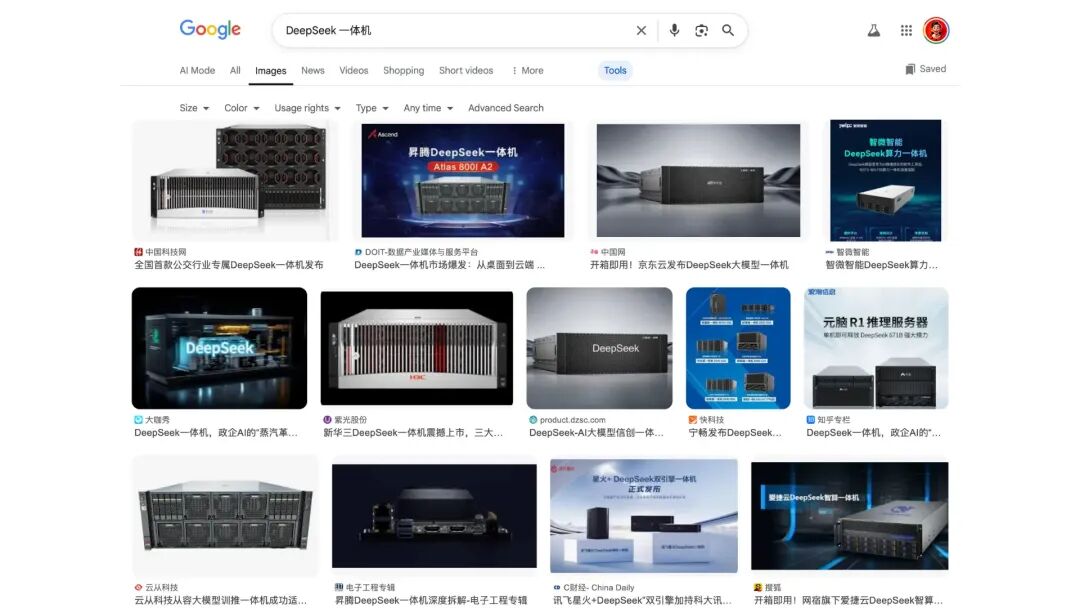
A major business opportunity emerged domestically called "DeepSeek all-in-one machines." While some reports here are mixed with opportunists and scams, it's undeniable that these machines actually helped DeepSeek reach grassroots levels, allowing more people to access large AI models more easily.
There's also an interesting phenomenon: throughout 2024, H200 GPU rental prices kept declining, but after DeepSeek's release, U.S. H200 GPU rentals actually rose by 10%.
After Qwen3's release, it was even better news for entrepreneurs.
Because when directly using DeepSeek r1 & v3, their parameters are indeed too large — many scenarios don't require such powerful performance. And distilling smaller models independently carries certain technical barriers.
Qwen3 provides a full range of model sizes from small to large, making it highly likely to find a suitable model for different scenarios.
Just like McDonald's ads say: "More choices, more joy."
Some investors even said in interviews: "Only after Qwen3 did I truly dare to invest in AI applications."
② "No Secrets, Just Sheer Execution Speed"
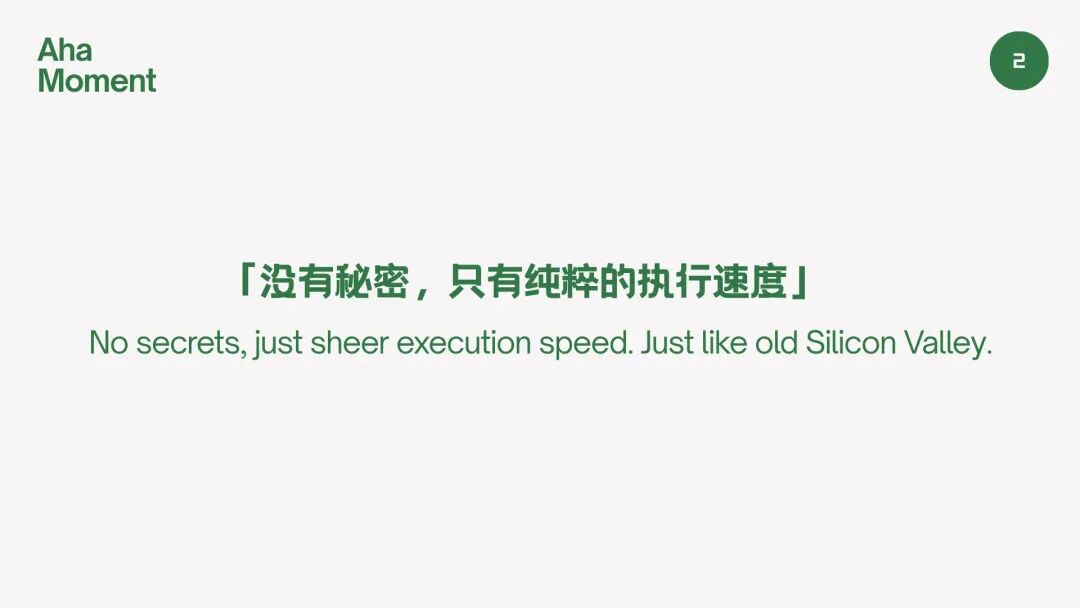
On the wall at Manus's office, there's a printout of a tweet from KOL Robert Scoble:
A Silicon Valley VC friend told me that Manus reminds him of the "old Silicon Valley" from the golden age — No secrets, just sheer execution speed.
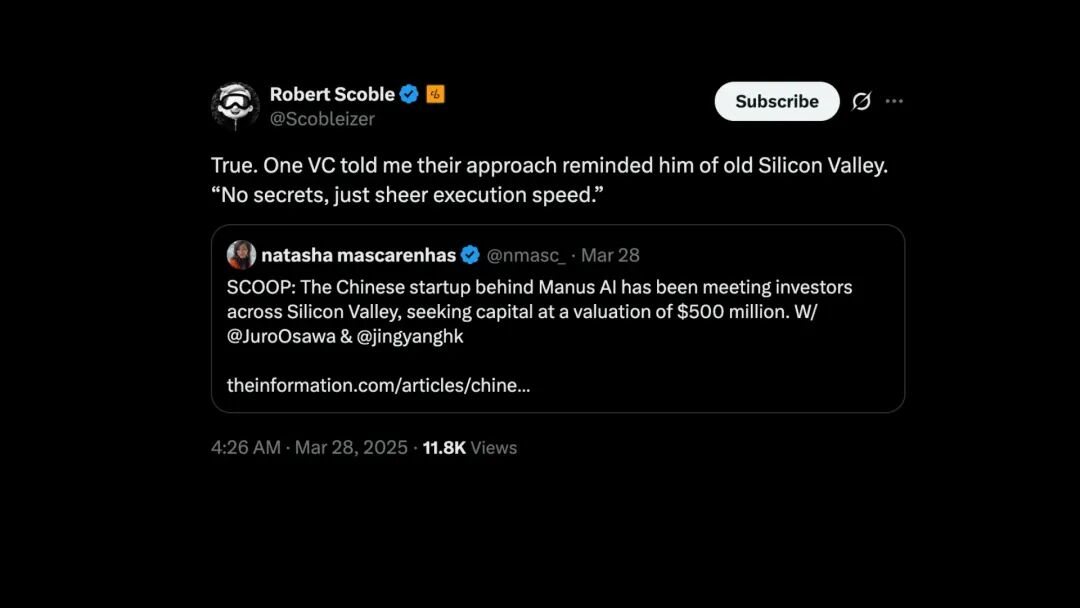
Today, with open source prevalent and models iterating monthly, in such a rapidly changing period, efforts to build technical moats may well come to nothing. At this time, rapid iteration, continuous innovation, and creating momentum may be the greatest moat for toC products. Crossing's WeChat account also just translated an a16z article whose title is: Momentum Is the Moat of AI Products.
I was an early investor in Butterfly Effect's (Manus and Monica's) previous company, and am now an advisor to the current company. From my first investment in 2016 to now, nine years, I've maintained interaction with them — sometimes close, sometimes distant, but always with a strong sense of being present.
So when Manus launched that morning, it got a ton of attention, and not long after, it raised funding from Benchmark — one of the world's top VC firms — at a $500 million valuation. I was genuinely moved.
Before the Manus launch, Butterfly Effect had gone through a funding round that didn't go smoothly. They met with nearly every dollar-denominated fund in China, but aside from ZhenFund, HSG, and Tencent, most others passed on them.
And it wasn't just Monica and Manus. When VCs and peers discussed various AI applications, many loved to ask: "What's your technical moat?"
There has long been a voice saying "the model is the product," and that rising intelligence would flood and drown all applications.
Turns out, that didn't happen. Whether Perplexity, Cursor, or Monica, all have substantial user bases — and none of them own their own models.
We launched AI Hacker House in Shanghai, a beautiful fan-shaped building that serves as a community space for AI founders.


At one of the Crossing salons held here, Yuan Liu, partner at ZhenFund and an investor in Manus, said:
Solving problems from the bottom-up, driven by user needs, is a fundamentally different perspective from top-down analysis of "moats."
Liu was actually responding to the "what's the moat" question.
Let me extend that thought: in a time of rapid technological change that keeps spawning new entrepreneurial opportunities, rather than engaging in armchair debates about "what is a moat," it's better to focus on deeply understanding users, thinking about how to push user experience to the extreme, iterating products quickly, and steadily building word of mouth.
These four points, repeated and compounded over time, will build real advantage, real moats, real competitive barriers.
Manus has given us this confidence once again.
Speaking of which, has anyone noticed? There's nothing new under the sun. Do you remember Lei Jun's seven-word internet mantra?
"Focus, extreme, word of mouth, fast"

③ "Question Talking Tom, Become Talking Tom, Surpass Talking Tom"

Last year there was an article that left a deep impression on me. The title was Question Talking Tom, Become Talking Tom, Surpass Talking Tom, by Bingjian Wu, partner at Heart Capital.
Recently I've been thinking about this article again, so I pulled it out for a reread.
What is this article about?
"Talking Tom" refers to the mobile app Talking Tom Cat that went viral in the early 2010s. It shot to popularity through simple voice-mimicry features, but with monotonous gameplay and low user retention, its hype eventually faded.

Last year, many small AI products exploded onto the scene like "Talking Tom" — but everyone assumed they'd be flashes in the pan, unable to retain users. Examples included the "Boyfriend Simulator," and at the time, people even debated Perplexity and Monica this way. The most typical criticism was: "It's just a wrapper, nothing special."
In Perplexity's Series B deck, there was a slide addressing the "wrapper" question that everyone was asking:
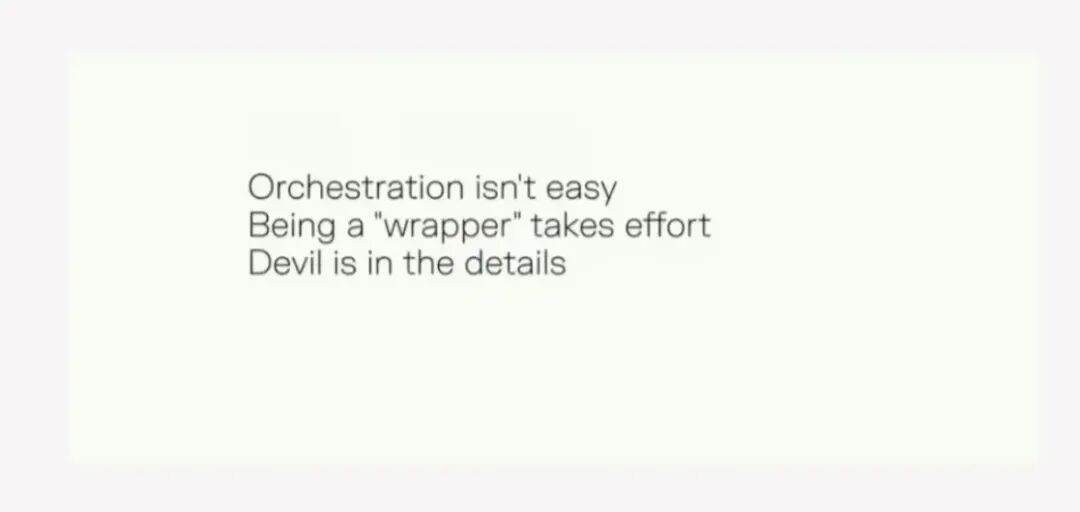
I've always felt "wrapper" isn't a pejorative. A good wrapper is also a product that maximizes the utility of cutting-edge technology. Taken to an extreme, the original iPhone was itself a "wrapper" around the new technology of multi-touch screens.
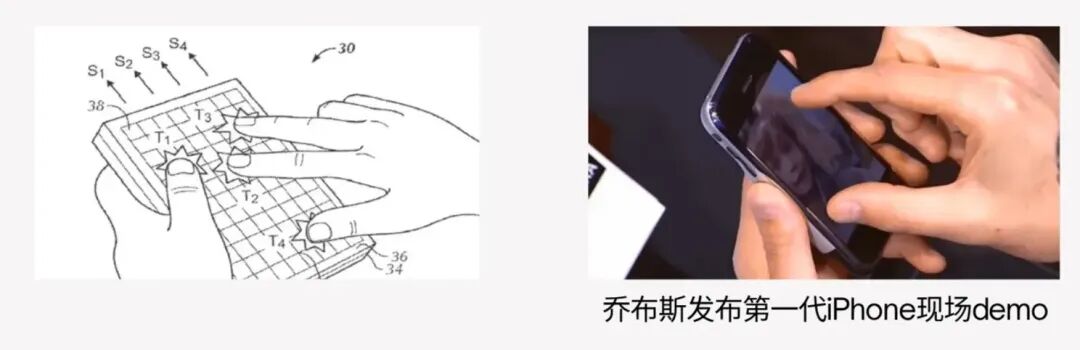
Back to the article: the author initially thought these products were too superficial. But before long, he realized: Talking Tom's value wasn't in Talking Tom itself, but in "taking action."
Let me directly quote the article's closing lines:
We all know AI presents massive opportunity — that's consensus. Judgments about current timing, understanding of model capability boundaries — these remain non-consensus, and that's what truly tests entrepreneurs.
Everyone wants to build products with endgame potential. Gazing at that endgame, wishing you could skip the middle, leap over history, and jump straight to the most valuable thing — this is a kind of attachment, ignoring how the real world actually works.
Everything follows its own laws. No one can skip from 1 to 17 and instantly become 18.
Understanding Talking Tom, becoming Talking Tom, surpassing Talking Tom — this is how the real world works. This is letting go of attachment.
With attachment released, it's easier to see the present clearly, and seize the present.
When the wave comes, the key is to be standing in the water, and to learn to swim early, to get used to the taste of seawater early.
④ "The Future Is Already Here — It's Just Not Evenly Distributed Yet"

Have you heard the term "product locusts"? It refers to how when a new product launches, the first to swarm in and try it are usually industry insiders — product managers, designers, engineers, founders, investors — mockingly called "product locusts" because they consume the product's resources without being its target users.
I think in this era, being a "product locust" and being first to experience various products has tremendous value.
Crossing's first podcast episode of 2025 was a New Year's conversation between Koji and Yusen Dai, managing partner at ZhenFund: AI's Pivotal Year, Agent's Inaugural Year.
At the time, we boldly put "Year of the Agent" in the title. If 2025 ends and nothing much happens with Agents, we'll be eating serious crow.

Why were we so bold? Because looking back at when we recorded that podcast, it was right around one to two weeks after Devin's new version launched, and we were especially excited.
Because while Devin is a product for programmers, its innovative interaction paradigm gave us a glimpse of the "fuzzy shape" that future AI Agents should take — an Agent product should show users its complete thinking and working process, like a smart, reliable employee that can proactively plan, report progress, call tools, think deeply, and self-verify.
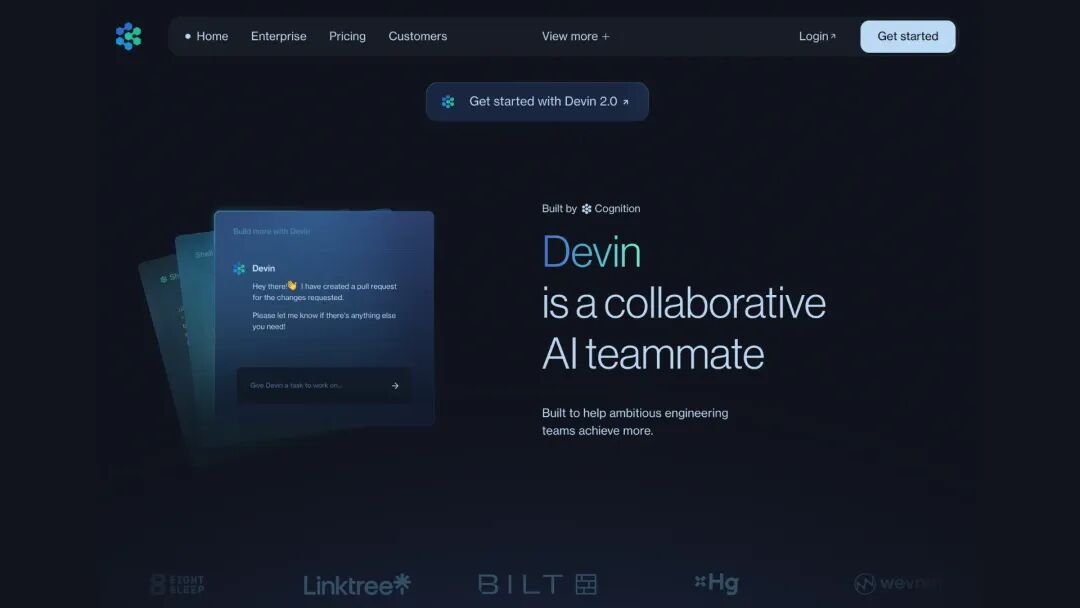
After putting in $500 and spending a week deeply using Devin, I developed a strong intuition and conviction: inspired by Devin, AI Agents in 2025 will explode with diversity.
Devin showed us the fuzzy future shape of AI Agents. Across various vertical domains, there must be products like this — already showing what the future could look like, capable of giving you all sorts of inspiration.
Therefore, being first to be a "product locust," actively experiencing cutting-edge products, is the only way to sense the "fuzzy shape" of the future ahead of time, and the best way to possibly participate in creating that future.

You all know what happened next — good thing we didn't have to eat crow. Just 100 or so days after that podcast episode dropped, the "Year of the Agent" welcomed the launch of Manus, firing the opening shot.
Right after that came Genspark, Fellou, Flowith, Lovart, and others — one launch after another, each impressive.
So lately, every time I think of Devin, I'm reminded of this line: "The future is already here — it's just not evenly distributed."
⑤ "The Changes and Opportunities Brought by AI Agents Are Still Underestimated"

Over the past few months, we've done extensive agent product reviews and founder interviews on the Crossing podcast and WeChat account. The wave of launches has been genuinely exciting.
After talking with many founders and experiencing their agent products firsthand, I believe the changes and opportunities brought by AI agents are still being underestimated.
Recently, the Crossing account featured a new product called Lovart.ai, launched by Liblib. It's the first high-completion AI agent product we've discovered in the design space.

We first asked Lovart to generate a logo for a "McDonald's × Giant Panda" collaboration.
It produced a decent set of logos. But that's not particularly remarkable — text-to-image tools going back to Midjourney have more or less been able to do this.
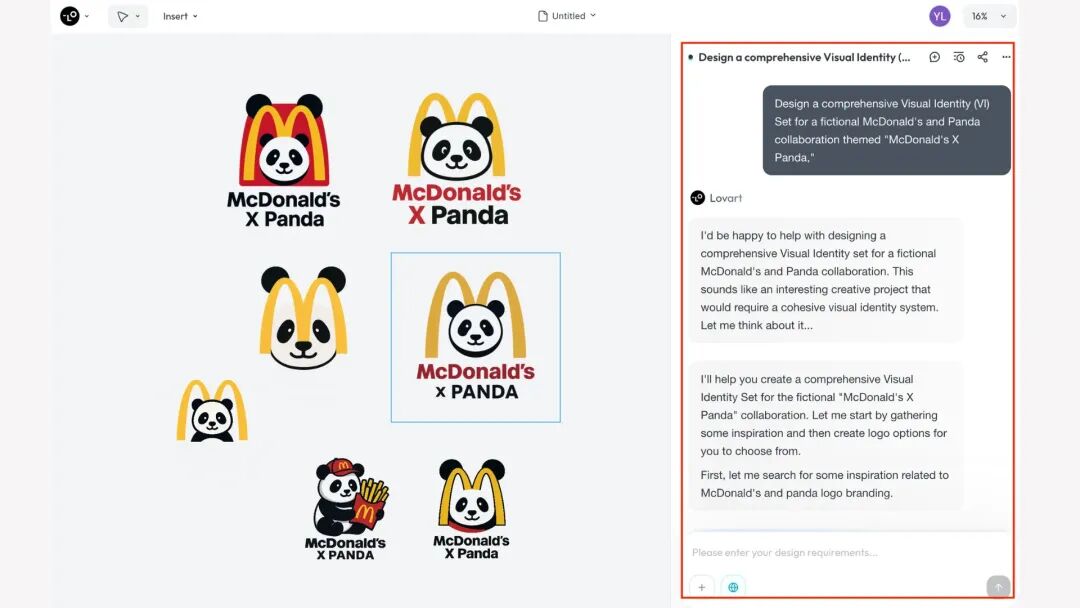
Then I gave Lovart a second instruction: Based on the logo above, create a complete VI package.
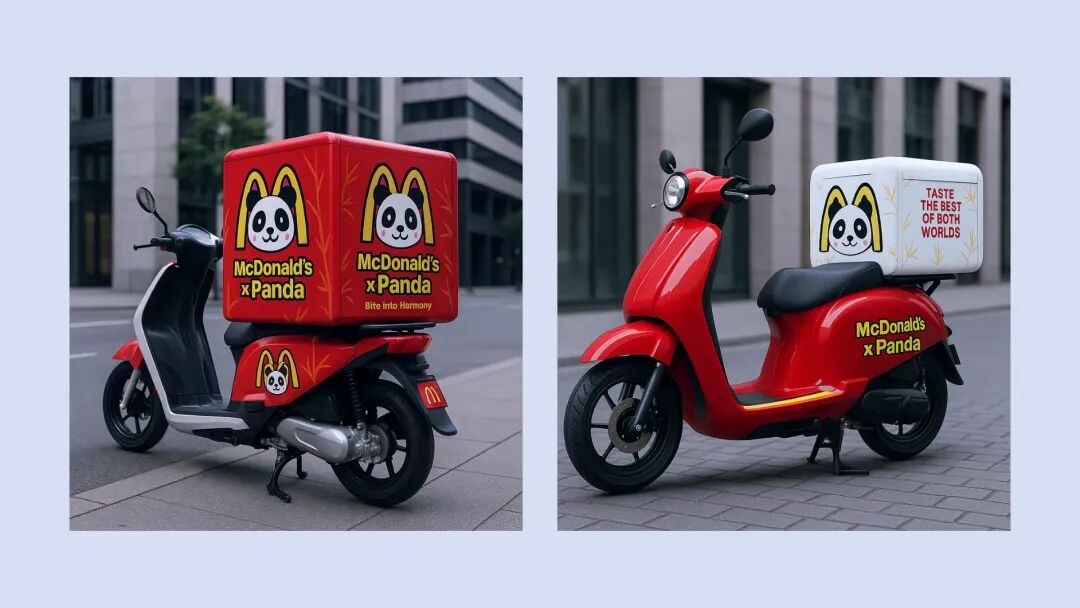
It delivered 15 different materials in one go — from app UI to food packaging design, to highway billboards, even down to what colors and patterns the delivery driver's motorcycle should be painted. Full detailed proposals for everything.
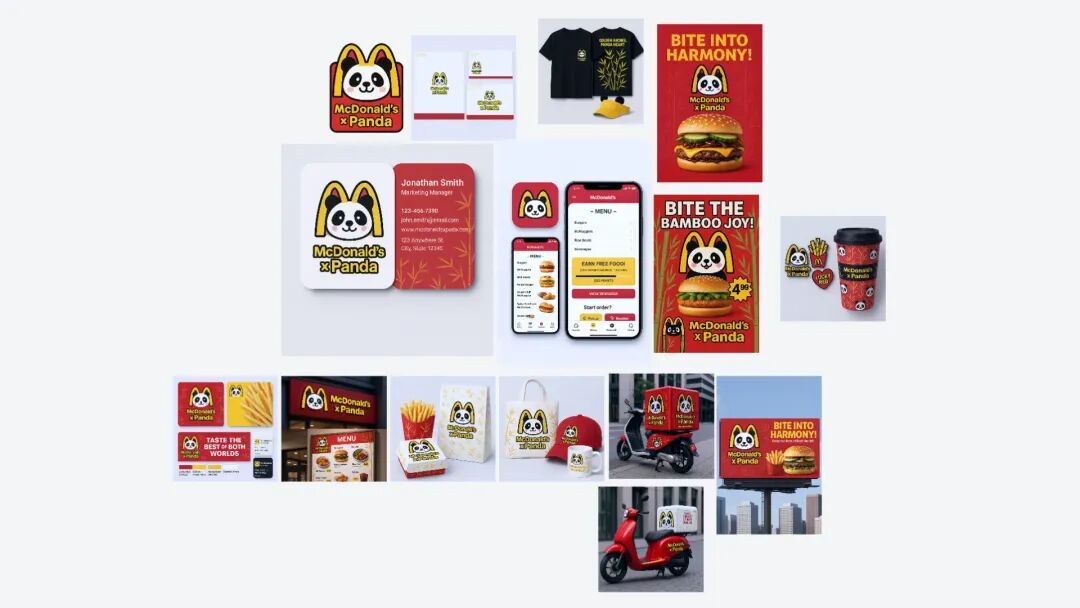
But notice — I never told it what a complete VI package should include. It figured that out itself, thought it through on its own. That's the genuinely surprising agent capability.


What especially blew me away was the motorcycle design for the delivery driver. On it, Lovart placed this slogan:
"Bite into harmony."
The Chinese translation loses some of the charm, but what's clever is how it fuses the core elements of both brands — McDonald's representing "bite" (into a burger), and the panda symbolizing "harmony." It combined the keywords of both subjects to create this collaboration slogan.
This is the kind of creative concept that would typically require a fairly skilled ad strategist to come up with. Lovart did it.
How does it do this so well? An agent doesn't just take a prompt and immediately start grinding away like previous text-to-image models. It's more like a smart employee who actually thinks.

Intent understanding + task decomposition: It deploys reasoning models to understand user intent, breaks down the task, and first thinks through what a complete VI package should include — ultimately delivering 15 different materials.
Intent clarification: This is an agent interaction pattern that dates back to ChatGPT's Deep Research, using follow-up questions to clarify user intent — for example, asking "Will this VI package need to include in-store applications?"
Creative divergence: Something as interesting as the "Bite into Harmony" slogan likely emerged from deploying reasoning models for creative generation.
Model selection: Lovart's official introduction mentions that they provide one-stop access to various multimodal large models, including GPT image-1, Flux Pro, OpenAI-o3, Gemini Imagen 3, as well as Kling AI, Tripo AI, Suno AI...
I take this to mean that when video, 3D models, or music are needed, Lovart will handle those automatically too.
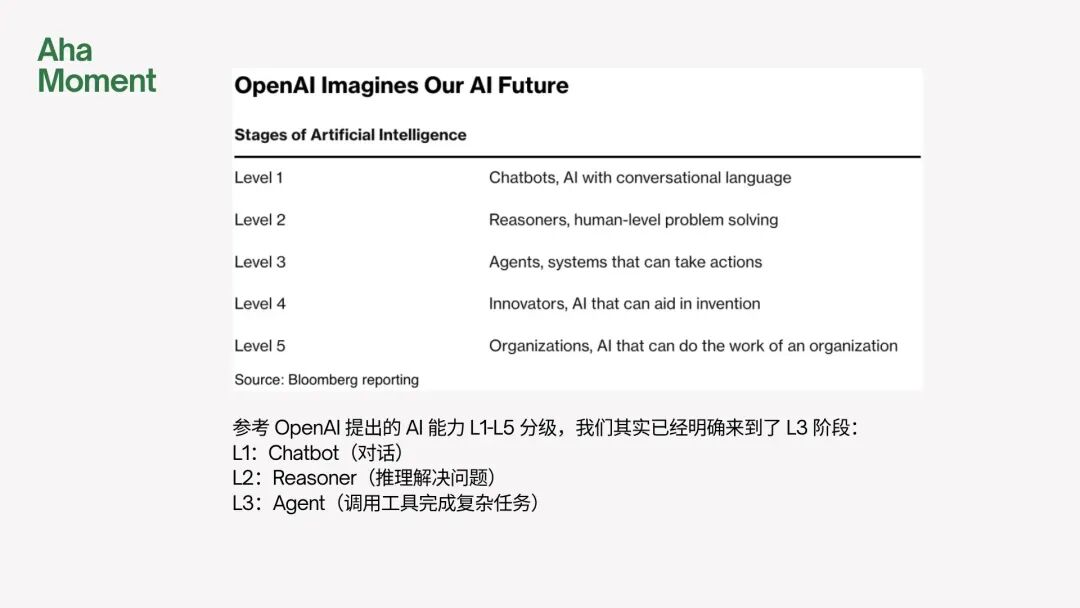
Referencing OpenAI's proposed L1-L5 AI capability levels, we've clearly arrived at L3:
L1: Chatbot (conversation)
L2: Reasoner (reasoning and problem-solving)
L3: Agent (tool use for complex tasks)
⑥ "Don't Do AI for AI's Sake, Don't Start a Company Just for the Hype"

My sixth aha moment is one that left me equal parts amused and exasperated — it came from an 1803 design diagram on Wikipedia for a "steam carriage."
It's a carriage without horses. Steam engines had just emerged, and this was a factory-designed new vehicle that simply, crudely, removed the horses.
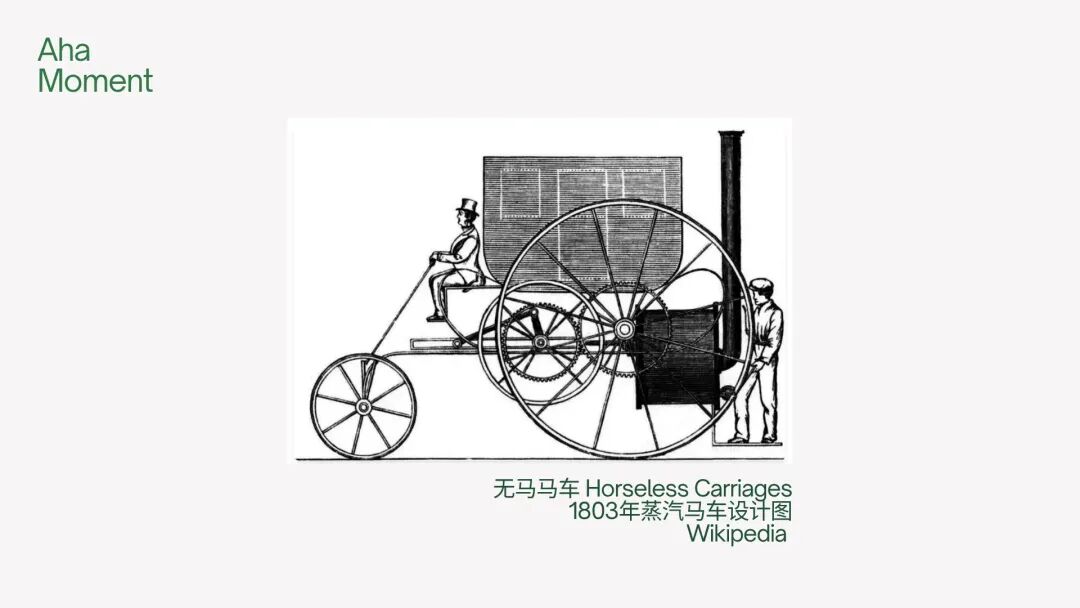
Whenever a new technology is invented, the first batch of tools built on it will likely fail, because people have a strong tendency to simply copy old ways of operating.
I believe the entrepreneurial opportunities brought by AI aren't necessarily limited to capabilities unlocked by narrow definitions of large models.
Xiaohongshu recently held an "Indie Developer Competition." I had the good fortune to serve as a judge, emcee, and host the afterparty at AI Hacker House. Later I wrote a WeChat article whose title came from a line by Duo Zhua Yu founder Mao Zhu: Critique Always Looks Smart, Just as Creation Always Looks Clumsy. The article was shared over a thousand times, and Xiaohongshu CEO Wenchao Mao even shared it with his executive team at an internal leadership meeting.

I was somewhat surprised by the article's reach. But the high level of attention and sharing it received, I believe, reflects an emerging trend and a new social mood that resonated with people.
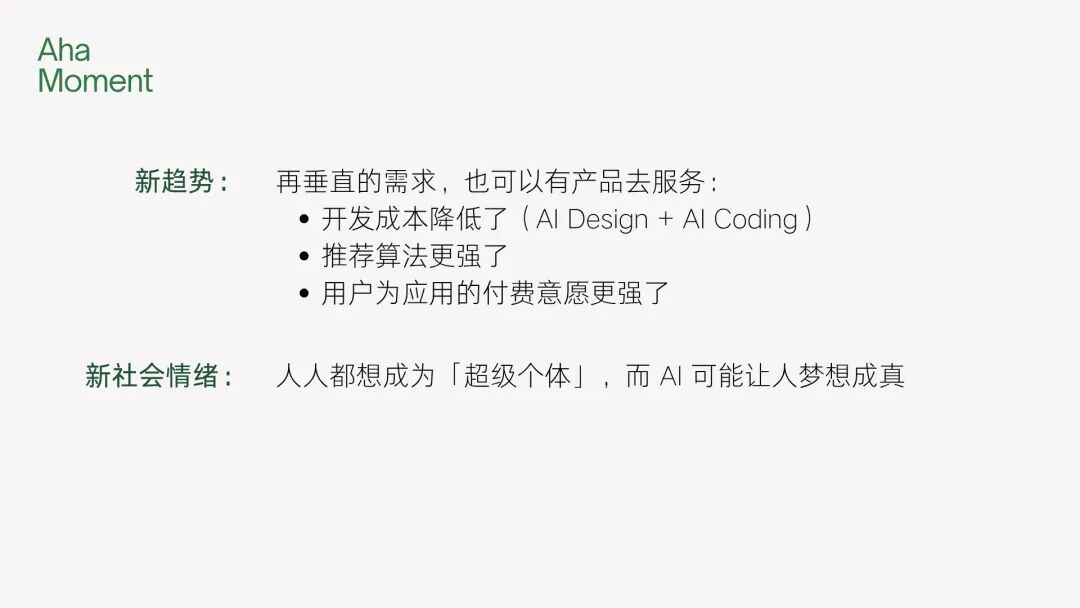
The new trend is this: in the AI era, even the most vertical needs can be served by products. There are several structural reasons for this:
- Development costs have dropped (AI Design + AI Coding);
- Recommendation algorithms have gotten stronger (Xiaohongshu can push your product to exactly the right users);
- Users have finally developed a willingness to pay for software — especially now that with AI, you can charge from day one, and it feels completely natural.
The new social mood is this: everyone wants to become a "super individual," and AI might actually make that dream come true.
For example, build a product that only ten thousand people need. But if each user pays 10 yuan a month, that's 100,000 yuan in monthly revenue.
Here are three products I really love:
SunAlly is an Apple Watch app that tracks whether you've gotten enough sun each day and nudges you to get your vitamin D.

Hunlü ("Body at the desk, soul on a journey") — an app that simulates travel on your phone. I can choose to "depart" from Shanghai right this instant, and the app shows me hopping on a green-skinned train, chugging along the map toward Dali.
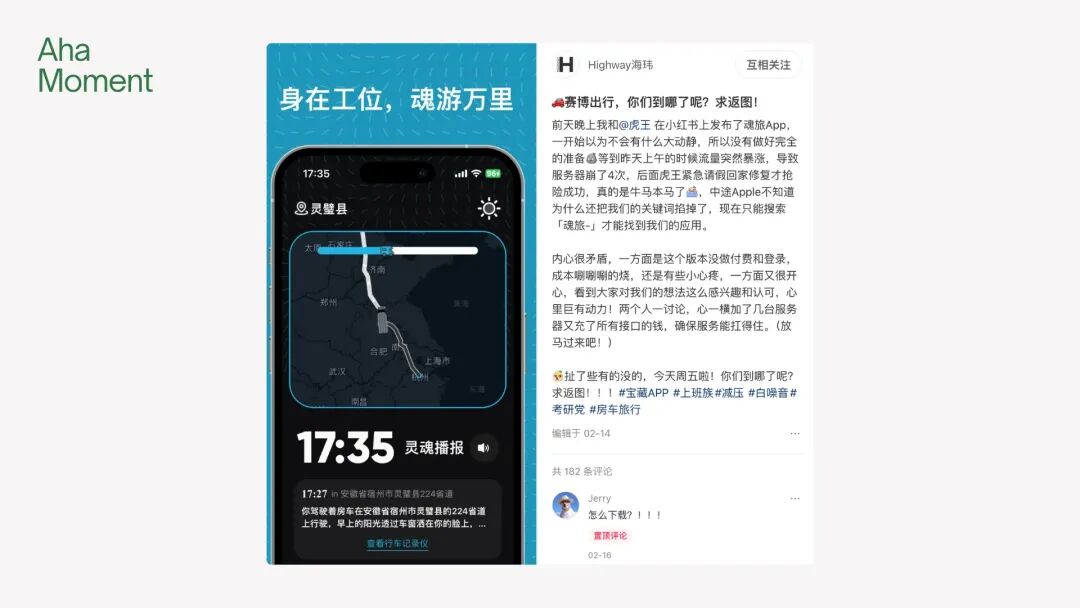
FocusFlight — I love flying because airplane mode gives you uninterrupted, phone-free quiet time. This app captures exactly that: it simulates your flight status to help you focus on work or study with zero distractions.

At this point, you might have noticed something: none of these three products have anything to do with AI?
Exactly. And that's what's so interesting.
None of them use AI technology. Yet in a world without AI, they probably couldn't have been born.
This is what I meant earlier: AI has slashed design and development costs (what used to take 8 people 3 months now takes 1 person 10 days), AI has supercharged recommendation algorithms on Xiaohongshu and Douyin (in the past, SunAlly could never have found sun-loving users; now Xiaohongshu's algorithm handles it), and AI has trained users to pay for utility software (before, you launched a product with no revenue; now you can monetize from day one).
These three factors together create this new trend:
In the AI era, even the most niche needs can — and deserve to — be served by a product, and the business model can actually close.
So while we talk every day about AI creating comprehensive entrepreneurial opportunities, don't forget to return to user needs to discover new ones.
Products that truly move people often come from the most delicate insights.
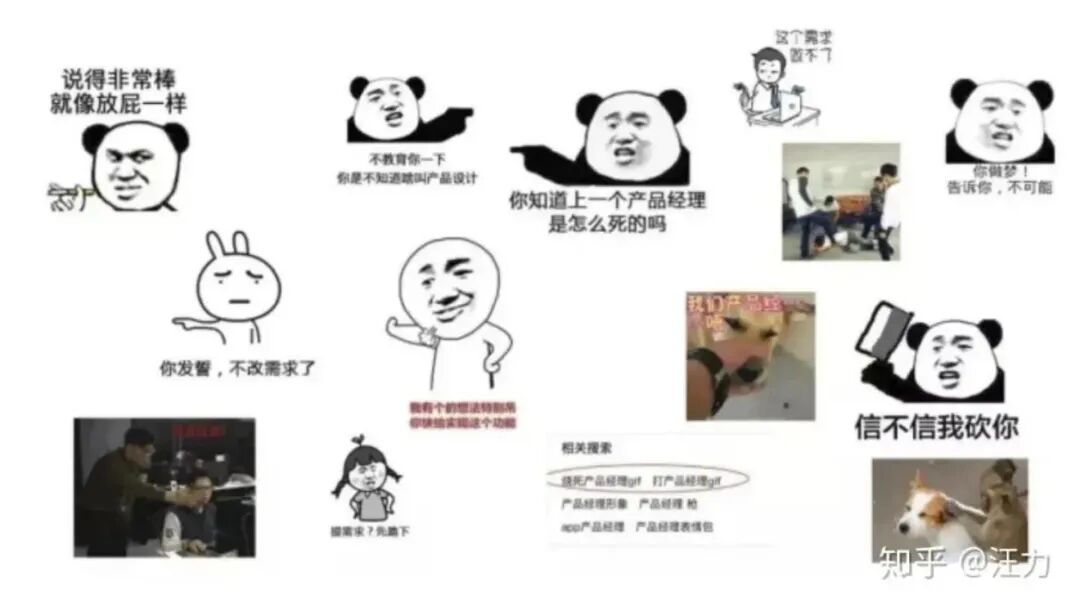
PMs are the butt of every meme these days, but I still believe it's an incredible role that can make the world better.
My first job was as a PM working with Xing Wang and Rongjun on Fanfou and Hainei. Later I started my own companies: Jiepang, The Fair, and Tangdao.
Tangdao was a consumer brand. Our best-selling products were the "Cat Belly Pillow" and the "Melon Cool Quilt." A lot of friends were surprised I started that kind of company, but I never felt it was a leap. The daily work felt mostly the same — still product plus marketing, still understanding users, analyzing competitors, learning about technology and materials, then designing and delivering a product, then going to market with marketing, growth, and paid acquisition.
Anyway, I think whether it's SunAlly, Hunlü, or FocusFlight, they all prove that product ideas born from user needs have powerful vitality.
Why do I believe this so strongly, and why seeing them felt like my recent aha moments? Because of my own experience with the Cat Belly Pillow and the Melon Cool Quilt.
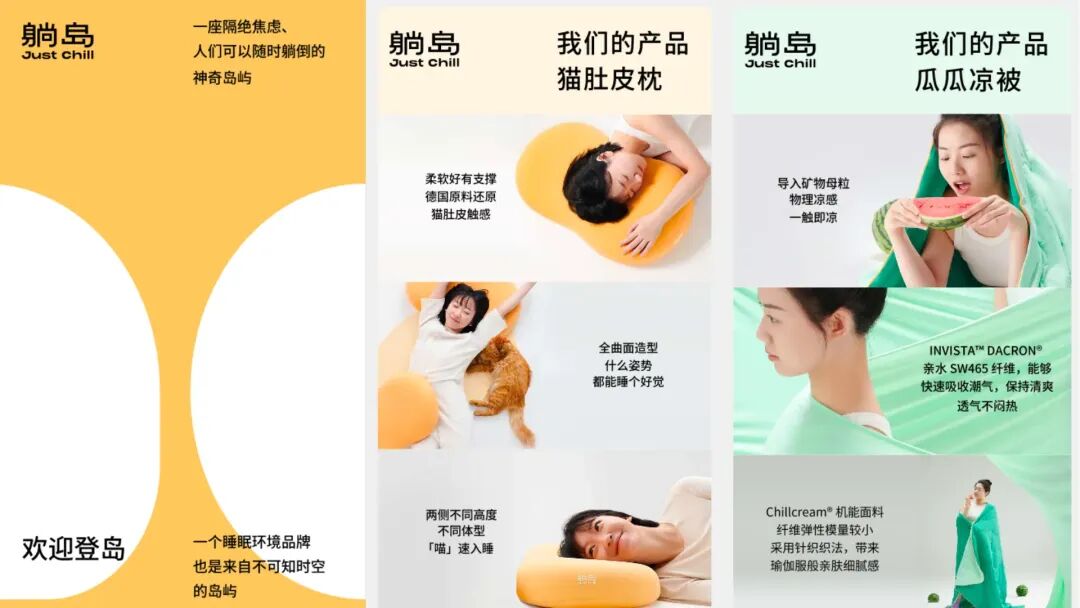
Pillows, quilts — products that sound like they have zero room for innovation, and indeed hadn't seen anything new in a decade — and we were still able to apply PM value: deep user insight, product design, marketing planning, making them category champions on Tmall, JD.com, and Douyin, hitting #1 in pillow and cool quilt categories across multiple 618 and Double 11 sales events.
So yes, tracking AI breakthroughs matters. But don't do AI for AI's sake, or start a company just to chase a trend.
Building in the AI era doesn't mean you have to push the boundaries of large models. It means using AI as leverage to build the product you see — which might have nothing to do with AI itself.
That's another valid way to use AI as leverage.

⑦ "We always overestimate the change that will occur in the next two years and underestimate the change that will occur in the next ten."

Bill Gates said this in 1996. Microsoft was initially slow to respond to the World Wide Web. In the early 1990s, they didn't actively develop a web browser. It wasn't until 1995, after seeing Netscape's rise, that Microsoft scrambled to build Internet Explorer — the "browser war" that eventually led to the landmark antitrust lawsuit.
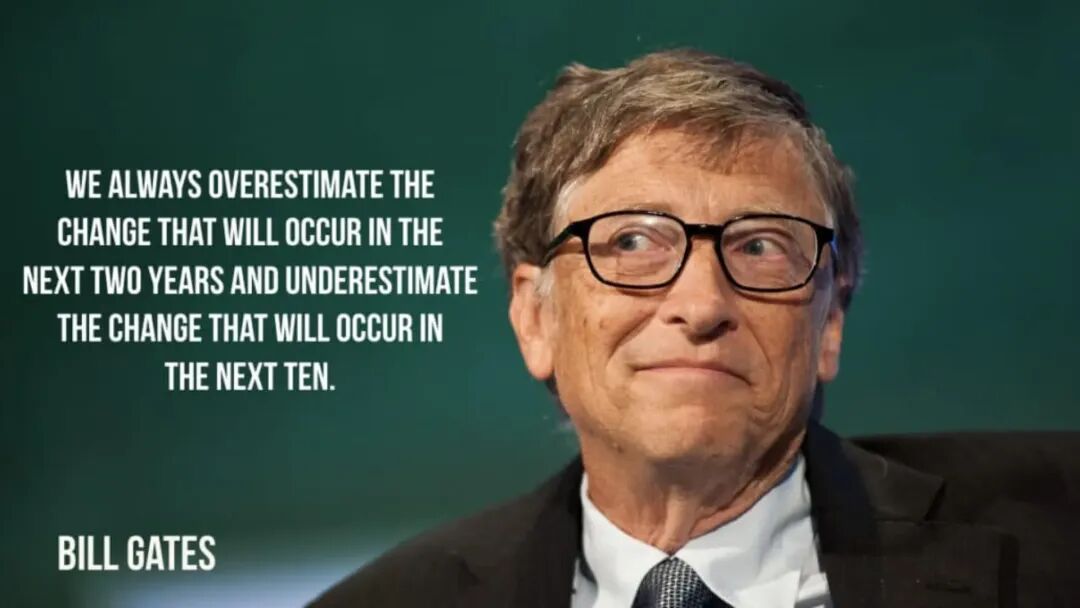
When I came across this quote recently, I couldn't help but think: facing the AI transformation, we're probably making the exact same mistake.
Mark Zuckerberg recently appeared on Ben Thompson's podcast Stratechery. The whole episode is excellent — worth a listen, or find a Chinese transcript if you prefer.
What stuck with me was Zuckerberg's unvarnished ambition. He described Meta's goal for using AI to optimize its ad system: any business that comes to Meta to advertise shouldn't have to worry about anything. Just three steps to launch an ad: Step one, tell us what outcome you want. Step two, tell us your budget. Step three, connect your bank account. That's it. We'll handle everything else, and guarantee payment for results.
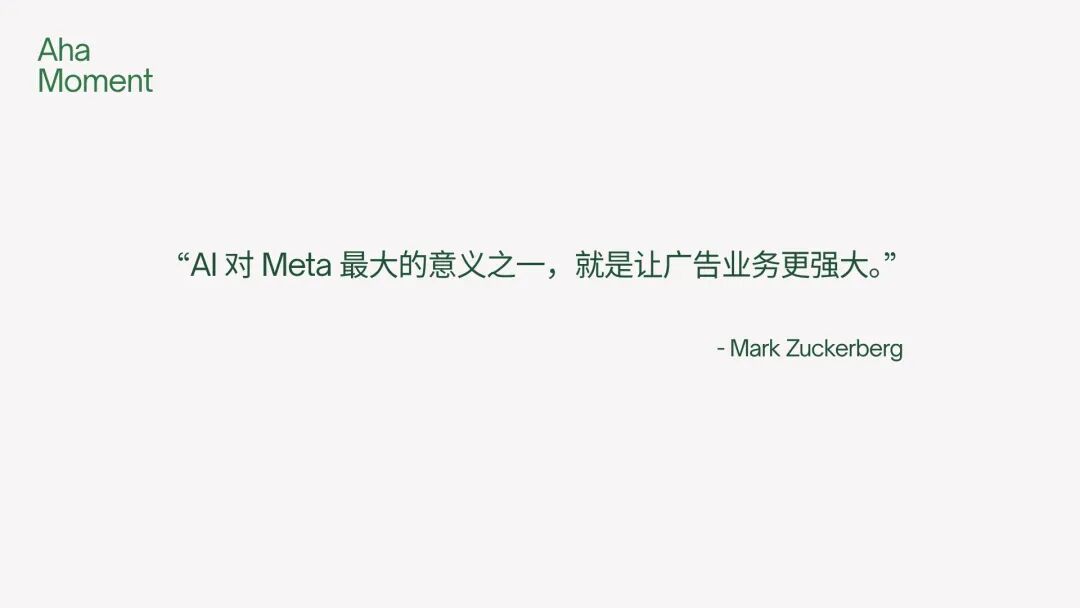
Zuckerberg called this the "ultimate business agent."
Sounds a little terrifying, doesn't it? What would the ad industry even look like?
Imagine this: me, Xiaoming, Xiaohong, and Xiaolan each make a pillow. In the past, after building the product, our next step was figuring out how to shoot creative assets, write ad copy, build product detail pages, produce short videos, and push them to market.
But now, if Meta, TikTok, or Xiaohongshu told merchants: "You don't need to make creative assets. Just upload your product, tell me your budget, and what ROI you can accept. Leave the rest to us."
That's theoretically completely feasible, right? It can generate assets, precisely target audiences, and track data in real time.
But I wonder: what kind of business environment would that world be? Would it get better, or worse?
Would people spend more time refining products, focused and undistracted, no longer needing to think about marketing? Or would everyone get sucked into supply chain warfare, squeezing every fraction of a cent to lower product costs, so they can stomach a lower ROI than competitors on social media platforms?
I don't know. But what I do know is: AI will transform the ad industry.
This complete disruption of the ad industry is right in front of us — almost a certain future.
I'm also advising a Silicon Valley AI-native ad tech company called Nex.ad[2]. They raised from top-tier global VCs at the angel round — a16z, which everyone knows, plus Point72 (the hedge fund founded by legend Steve Cohen) and Prosus (Tencent's largest shareholder, at 24%).
Nex.ad's goals share some DNA with what Zuckerberg just described for Meta.
Why are global top-tier VCs all betting on this space — especially Point72 and Prosus, who rarely invest early, also getting in ahead of time?
Because everyone can see the massive opportunity and commercial potential of AI transforming the advertising industry.
And this shift isn't limited to advertising — it's about how the entire business world operates right now.
Revisiting that question: Am I actually overestimating the change in the next two years while underestimating the transformation over the next decade?
The overestimation of near-term change refers to that somewhat terrifying scenario I just described — it may not happen within two years, and I might simply be having an exaggerated stress response. But at the same time, I may be underestimating the decade-long transformation.
Honestly, I'm not sure. Either way, this is an era where AI technology gives us unprecedented leverage.
So at this moment, think more and act proactively. I've always believed AI is the greatest value-creation opportunity of our generation.
⑧ "Beauty Is a Productivity"
Y Combinator, the most prestigious incubator in Silicon Valley, specifically mentioned when recruiting for its new batch of startups: they hope to see more founders with design backgrounds.
As AI programming tools mature, building products will become increasingly simple. In this context, excellent design matters more than ever.
Designers are naturally equipped with the key abilities to become outstanding entrepreneurs: empathy, aesthetic sense, "uniqueness" — all essential for creating products people crave.
Design matters. YC itself cites Airbnb and Stripe as examples of companies that won through design.
I believe this even more strongly. I've always held that "beauty is a productivity." Even the websites of OpenAI and Anthropic — if you browse them carefully — convey a distinctive sense of aesthetic intention.
The traditional product development flow involves PMs writing PRDs, designers crafting UI/UX, and engineers writing code. This is what's called "software engineering" — precisely what I studied at Beihang University.
In the AI era, as everyone has already sensed, the boundaries between all these roles are blurring and responsibilities are being redefined.
Now with AI tools like Lovable, Bolt, and the recently launched Figma Make, designers can build products themselves.
I came across a designer on Xiaohongshu named Zhu Yinan who built an app called "Sunset Island." It's a beautifully crafted application that a designer independently built from start to finish.
What does this app do? You photograph a sunset and upload it to the app. It extracts color elements from the sunset photo and generates an elegant color card commemorating that moment.
Words fall short. You have to use and experience this app yourself to truly appreciate the delicate beauty and the joy of collection it brings.
This is a quintessential example of a designer independently completing a polished, complete product through their own creativity, aesthetic sense, hands-on ability, and AI coding.
Steve Jobs once said:
"Design is not just what it looks like and feels like. Design is how it works."
Whether it's interface design, functionality, or logic, designers have natural advantages.
While many designers feel anxiety about job displacement, those who leverage AI's efficiency multiplier can independently create products from scratch. Therefore, I believe AI is likely a major empowerment that the era is bestowing upon the designer community.
⑨ "Creating Moments of Love"
AI can improve efficiency, but after efficiency is infinitely improved, what should people do?
AI is also helping answer this question: it can provide emotional value for people.
There's a Japanese AI pet called Moflin that recently sold for over 4,000 RMB on Idle Fish. It looks like this:
A friend gifted me a Moflin. I had great fun with it after receiving it and posted about it on Jike:
Let me share another product. Have you heard of "哄哄模拟器" (the "Coaxing Simulator")?
This was an AI app that went viral last year. Its creator, Wang Dengke, went on to build an app called "Duxiang," which now has 50,000 DAU and 40,000 posts on Xiaohongshu.
"Duxiang" is an "AI Moments" — users treat it like their social feed, posting content and receiving comments and interactions from various AI characters.
One feature in the Duxiang app is "AI Sleep Companion." Recently Wang Dengke appeared on an episode of the Crossing podcast, where he mentioned that over 10,000 people use the "AI Sleep Companion" feature daily.
Here's how it works: you tap "Please let AI accompany me to sleep," then quietly place your phone face-down beside your pillow — but you can't turn off the screen. At this point, to avoid disturbing your AI companion, you can no longer play with your phone. This is both AI companionship and a cleverly designed mechanism to help users fall asleep faster.
Equally interesting: after waking up, you can check what dreams your AI companion had last night and how well it slept.
— This was a major "aha" moment for me recently. I know not everyone may empathize with these user needs, but whether you can relate isn't what matters. The numbers illustrate something important:
The emotional value people need, AI can deliver remarkably well.
Another product that blew up at CES recently is a Chinese AI pet called Ropet. Its founder, Jiabin He, also appeared on an episode of Crossing.
We talked for a long time that episode, and it was a genuinely heartfelt conversation. So I asked a somewhat abstract question I don't usually pose: "What's your mission as a founder?" — Jiabin paused for a moment, then replied:
"My mission is to create moments of love."
I've heard countless entrepreneurial stories driven by commercial ambition and hunger for success. So when this founder told me with sincerity and quiet conviction, "I want to create moments of love" — that, in fact, was the most moving "aha moment" I've experienced recently.
🚥 Postscript
Finally, I'll close with a phrase that is also the origin of "Crossing" as our brand name:
The "Crossing" of technology and humanities — this is where great products are often born.
As you follow the rapid evolution of AI foundation models, play "product locust" experiencing new products, and dive into the water like Talking Tom to learn swimming and adapt to the salty taste of the sea — remember to occasionally put down your phone, step into nature, into life, into the human experience. Because:
At the "Crossing" of technology and humanities, great products are even more likely to be born.
References
[1] Lovart.ai: http://lovart.ai/
[2] Nex.ad: http://nex.ad/