Managing Emotions With AI: Olympic Gold or Surveillance Nightmare?
Big Brother is Watching You
💡
"Inspiration Weekly" is a column I update every week.
Here, I record five people or things that inspired me this week — to help me reflect, grow, expand my boundaries, and become freer and happier.
This week's five:
❶ Using AI to manage emotions: A boost to Olympic gold, or a surveillance nightmare?
❷ Groq — Faster than fast, terrifyingly fast
❸ "I am nothing"
❹ Go watch Article 20! All of you!
❺ Getting into the Nikon P900
❶
Using AI to Manage Emotions
A boost to Olympic gold, or a surveillance nightmare?
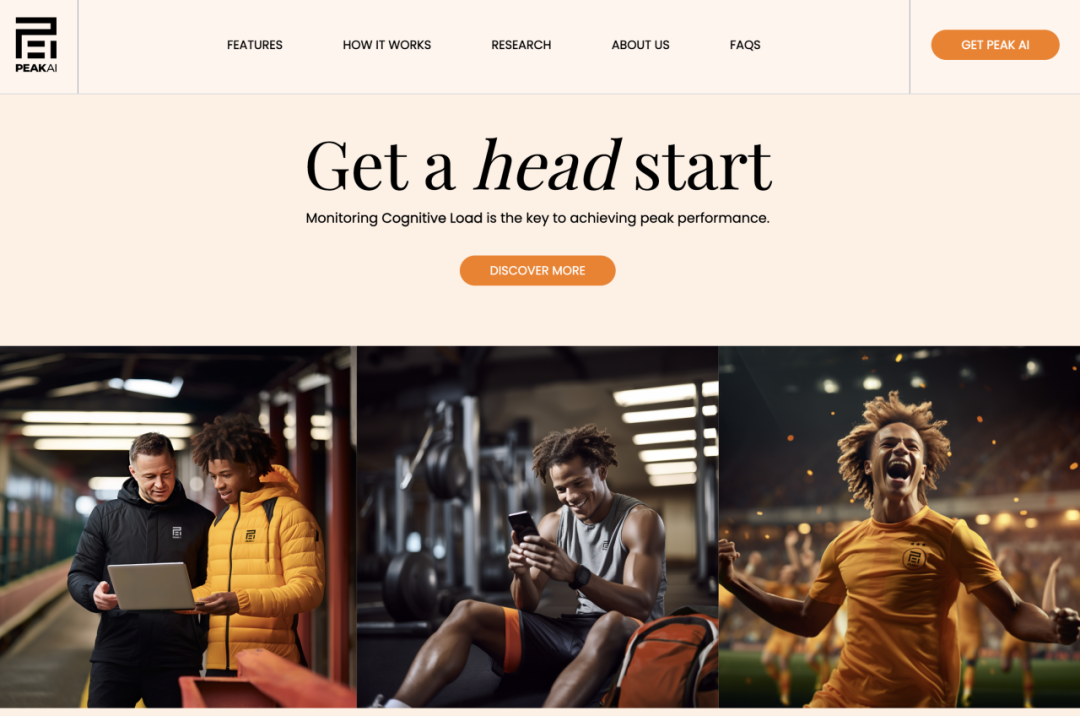
Peak AI (https://www.peakai.com/) is an AI product with remarkably clever product-market fit. It targets competitive sports scenarios.
First, Peak builds personality profiles for athletes to serve as a database and reference for its assessments. Then, on the day of competition, Peak asks athletes "Tell us how your day was yesterday," requesting a voice response of no more than 60 seconds — as simple as sending a voice message to a friend on WeChat.
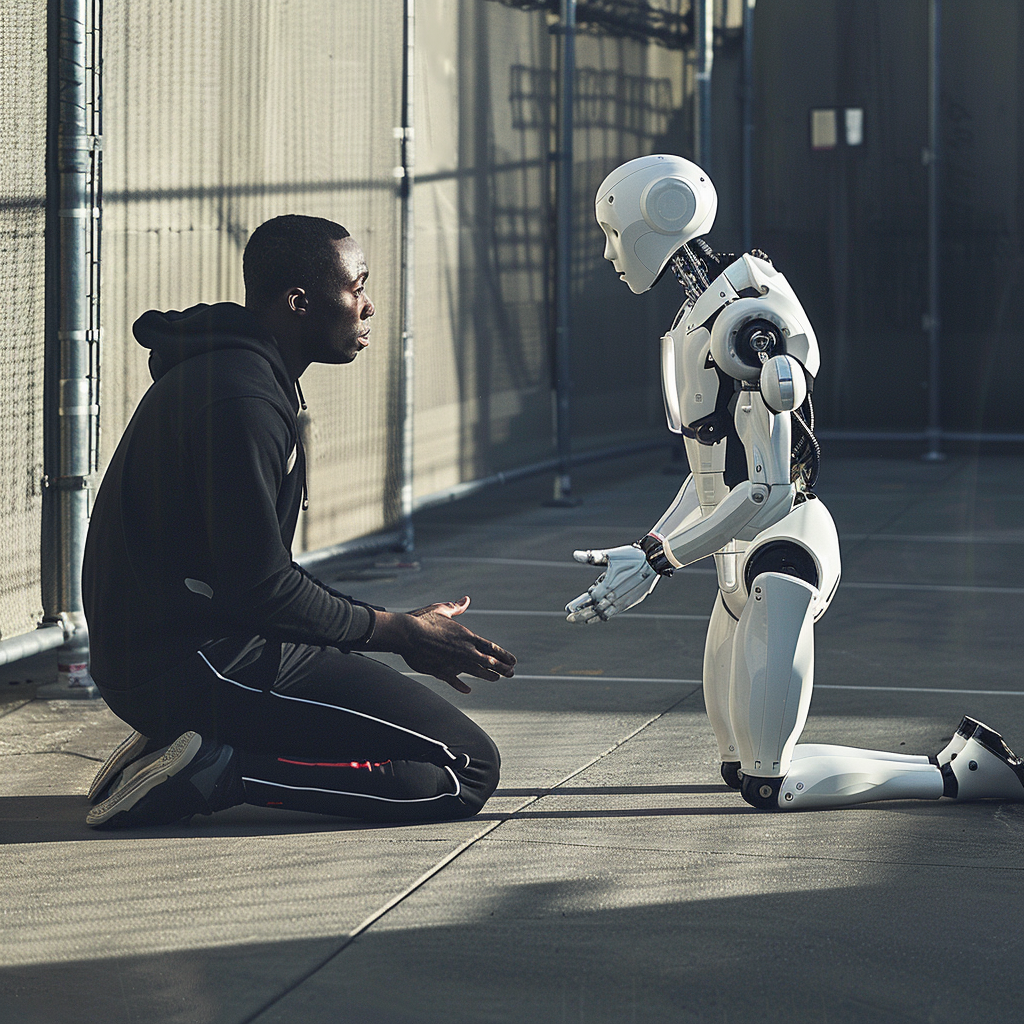
MidJourney generation: Documentary-style photo, AI asking an athlete "Tell us how your day was yesterday"
From just this voice clip, Peak AI analyzes the athlete's condition through tone, intonation, and content, then feeds this information to the coaching staff.
Beyond assessment, it can intervene. Peak AI provides coaches with direct, personalized recommendations to help them intervene with athletes and manage the entire team using appropriate strategies, ultimately achieving peak cognitive performance.
Currently, several European football clubs and F1 teams including Red Bull and Aston Martin have begun trialing this product.
The value of this tool is undeniable — you can tell immediately that it's incredibly useful — but the more I think about it, the more concerned I become.
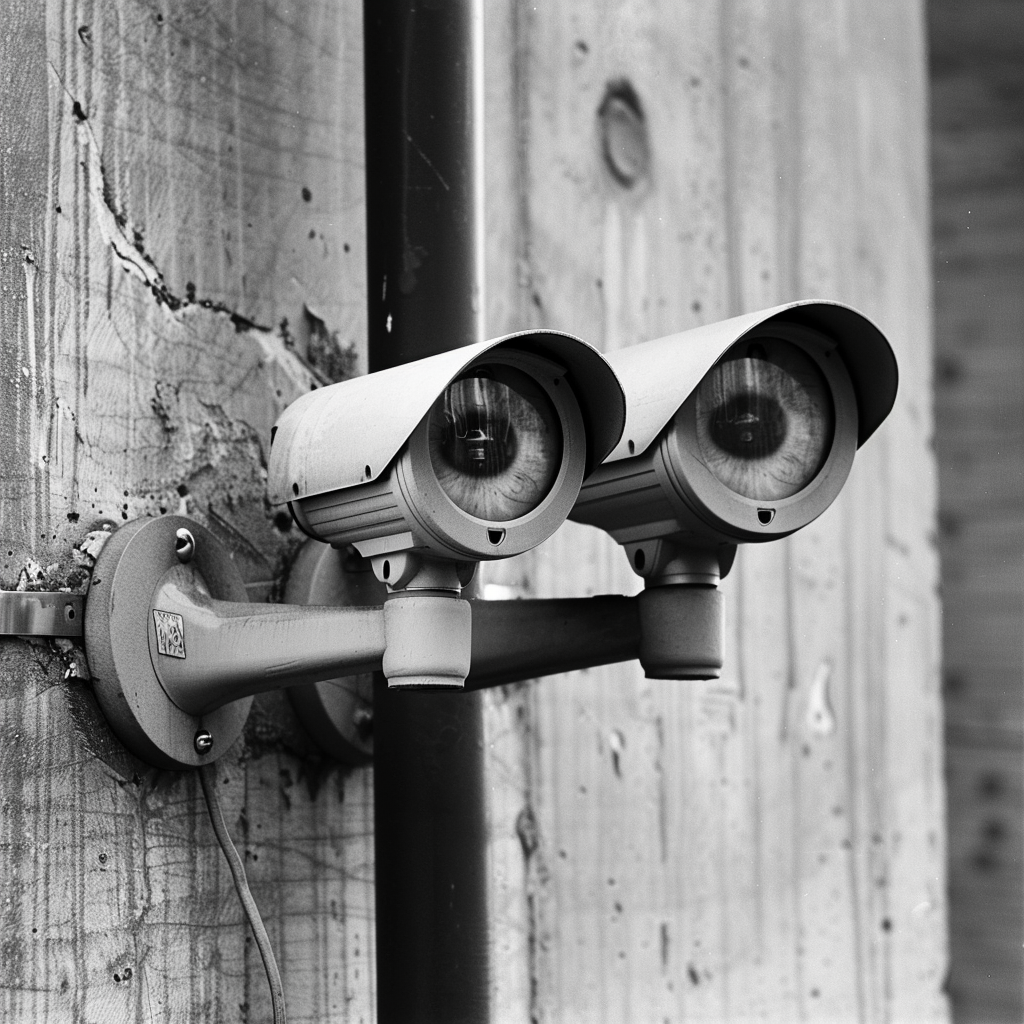
MidJourney generation: Documentary-style photo, Big Brother is Watching You
What if similar tools were used to evaluate people beyond athletes — white-collar workers, students, and so on? What profound societal impacts would that bring?
First, there's performance pressure. Knowing that one's emotional and psychological states are being continuously monitored could lead individuals to feel greater pressure to perform. This pressure comes not only from wanting to appear "normal" or "ideal," but also from worrying that any negative emotions will be seen as deficiencies or problems.
Second, people would begin self-censoring. Individuals might start policing their own emotional expressions to avoid being "misunderstood" by AI tools. Over time, this could lead to inauthentic emotional expression, even affecting people's ability to recognize and process their own emotions.
Finally, knowing that one's emotional and psychological states are being monitored could create additional stress and potentially produce counterproductive effects, impacting mental health and performance.
The deeper, more lasting concern is this: if we widely adopt such tools in work and learning environments, we may foster a surveillance culture where individuals feel constantly evaluated and watched — Big Brother is Watching You. Such a culture could stifle innovation and free expression, creating an atmosphere of fear and distrust.
❷
Groq — Faster than fast, terrifyingly fast
😮 😮 😮
NVIDIA's formidable rival has suddenly emerged from an unexpected quarter. A company called Groq has been dominating feeds recently, and its killer feature is shockingly simple: extreme, extreme, extreme speed.
Unlike ChatGPT, which is a large language model, Groq isn't a model at all — it's a new type of AI chip specifically designed for LLM inference.
Groq has integrated the open-source Llama 2 and Mistral models into its chips, and the speed it achieves is staggering. The video below compares ChatGPT's response speed to Groq's, perfectly illustrating what "the tortoise and the hare" means (ChatGPT is the tortoise…)
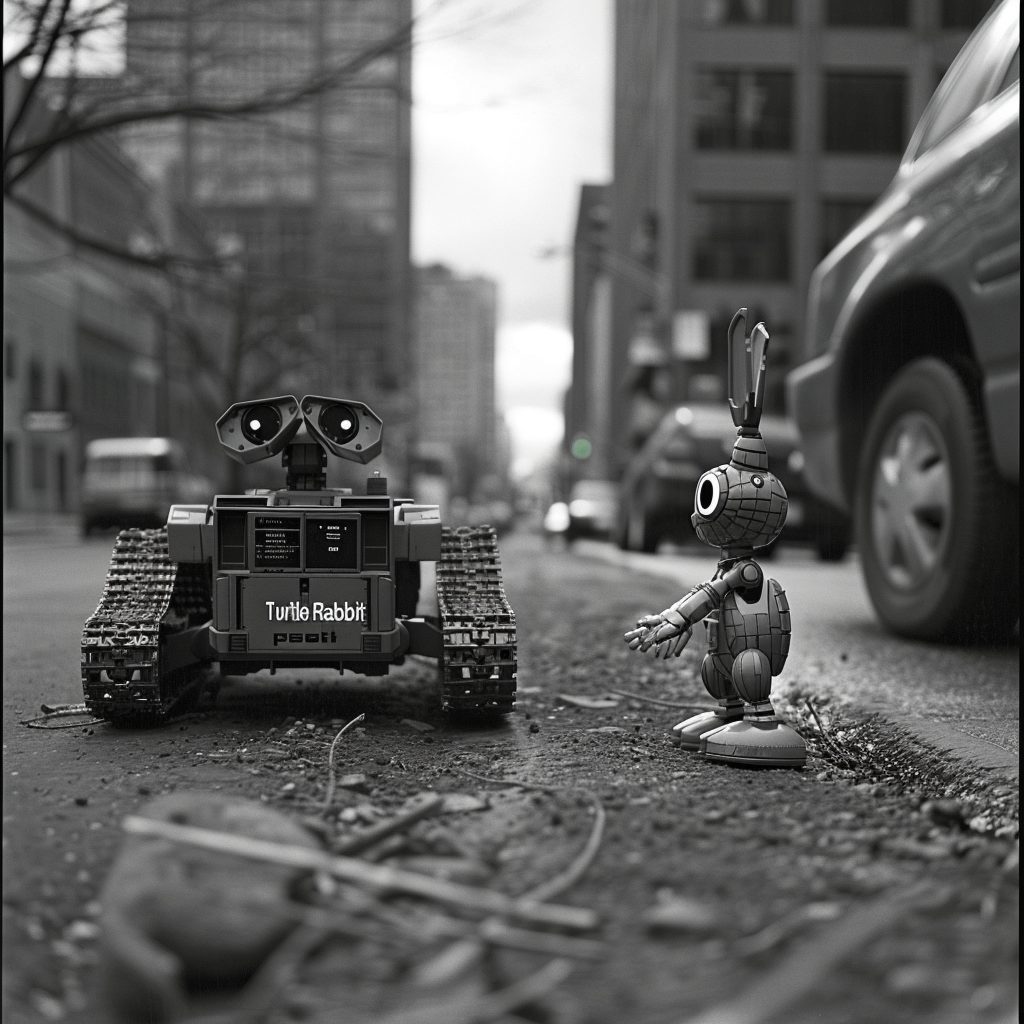
MidJourney generation: Documentary-style photo, a "tortoise" robot and a "hare" robot racing
Why so fast? Groq has designed a new AI chip specifically for large model inference, with core technology called LPUs (Language Processing Units). Additionally, they've developed a suite of software tools to ensure these chips work faster and more efficiently, enabling language models to process massive amounts of information rapidly.
While Groq hasn't actually driven costs down yet — giving it no real advantage over NVIDIA — its exceptional speed performance has convinced people that it has the potential to become a viable alternative to NVIDIA's A100 and H100 chips.
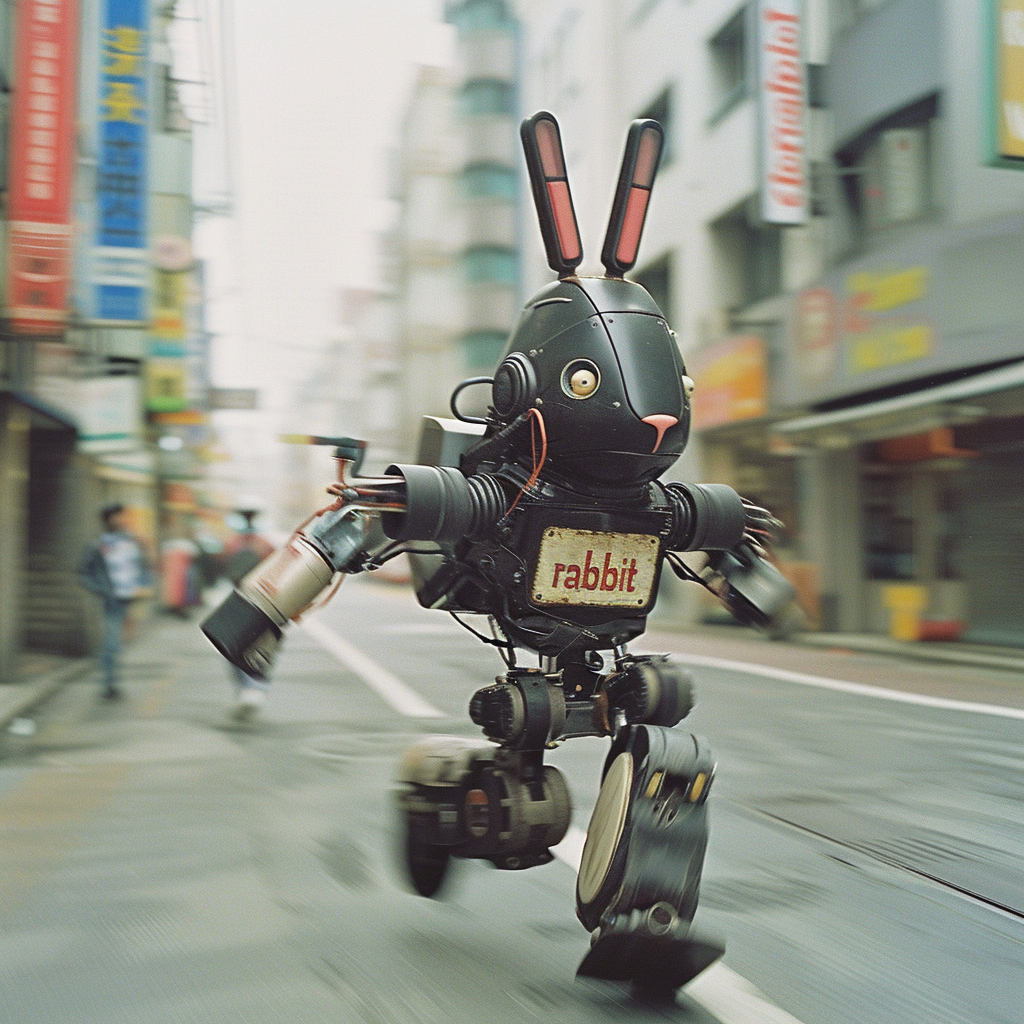
MidJourney generation: Documentary-style photo, a "hare" robot sprinting
With this kind of speed, applications that were previously impossible due to latency issues suddenly become feasible: customer service requiring rapid responses, complex search, educational services demanding real-time feedback, and more.
I recommend visiting their website to experience extreme speed for yourself:
Reference:
Silicon Star GenAI — Stop obsessing over Sora, look at how terrifyingly fast Groq's new chip is for AI
❸
"I am nothing"
by Paul Buchheit (Gmail Founder)
Paul Buchheit is a computer engineer and entrepreneur whose core achievements include creating Gmail, developing Google AdSense, and helping build the Google search engine. Google's famous "Don't be evil" motto? He proposed that at the company's 2000 values summit. For the past decade, he's been a partner at YC, helping numerous startups and founders.
Shaonan once compiled two of his articles on the WeChat public account "Product Meditation," from which I've excerpted the following:
I can guarantee my own success — by redefining success
Define success as learning something interesting. This way, I can always succeed, stay in a good mood, and learn a great deal.
Without this mindset, if your startup has only one definition of success, then failure is all that awaits you.
"Yes, thank you"
Life rarely unfolds the way we want. When we take risks and try new things, it often doesn't go according to plan. No matter how much we minimize risk, things still don't go according to plan.
We can get angry and frustrated and stuck, or we can accept and move forward, assuming that whatever happens is the best possible outcome.

MidJourney generation: Documentary-style photo, a young man striding forward with head held high.
For entrepreneurs, most of the time is spent facing setbacks. But some people can turn them to their advantage, while others keep banging their heads against walls with no progress.
Many of the best things are rooted in some of the worst events; danger breeds opportunity. Though this also means small decisions matter more than big ones. Because every day is full of frustrations and disappointments, but I try my best to say: "Yes, thank you," accepting it as a gift, no matter how impossible it seems at the time.
This pattern has an almost magical way of changing reality and keeping life flowing forward.
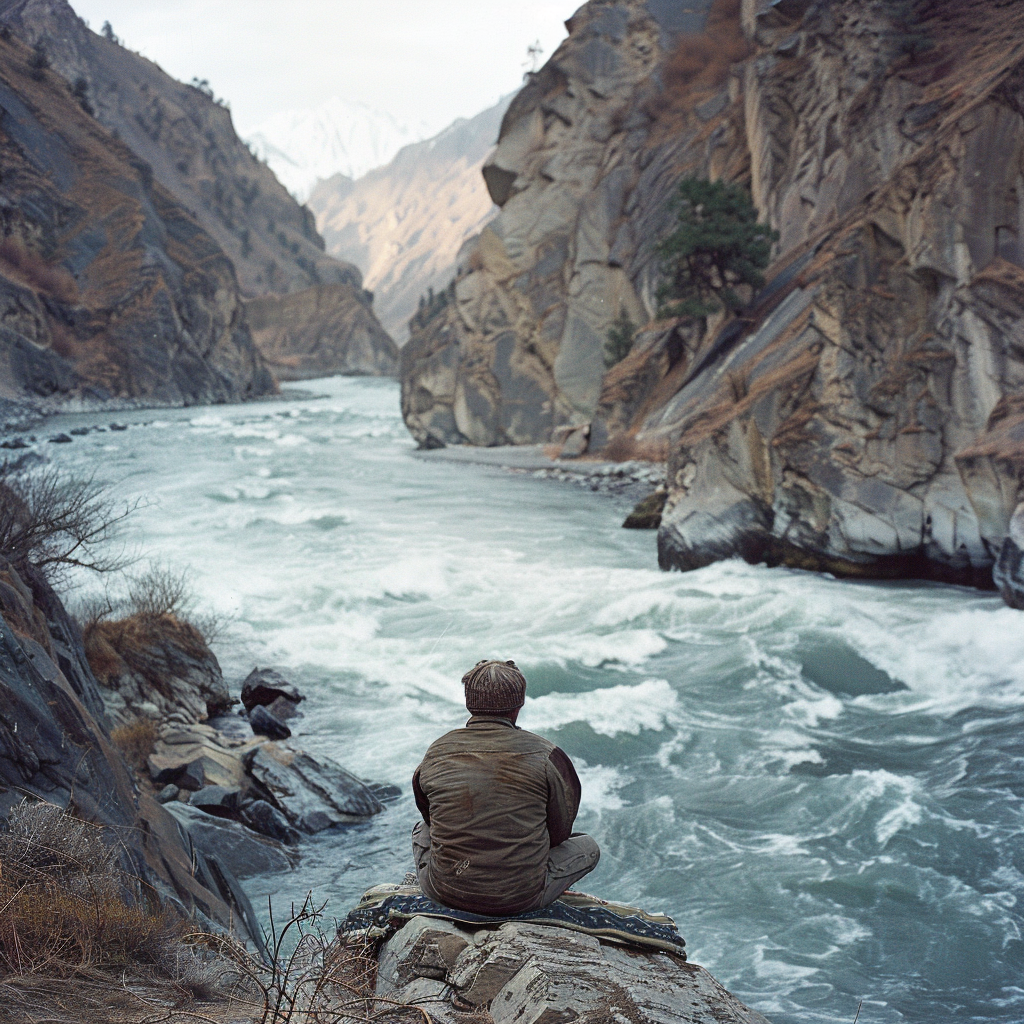
MidJourney generation: Documentary-style photo, a man sitting by a great river, watching it flow forward like life itself.
I am nothing
What do you do if you're too tough to be a good woman, too sensitive to be a good man, too selfish to be a good husband, too lazy to be a good employee, too shy to be a good friend, too loving to be a rational person, too fat to be pretty, too indecisive to be a good leader, too smart to be a good person, too young to be taken seriously, too old to make a difference?
These are false standards and false dichotomies, but they're so common, so deeply ingrained, that we sometimes believe them without realizing it. And this leads to massive insecurity, because no one can meet these crazy standards (and no one should).
But even if we don't believe these things, what other people think still matters, right? What will the neighbors think? Or our colleagues? So everyone works hard to hide their insecurities, they look around and compare themselves to their peers, and maybe they feel terrible because everyone else seems to have it so easy, to have it all figured out.
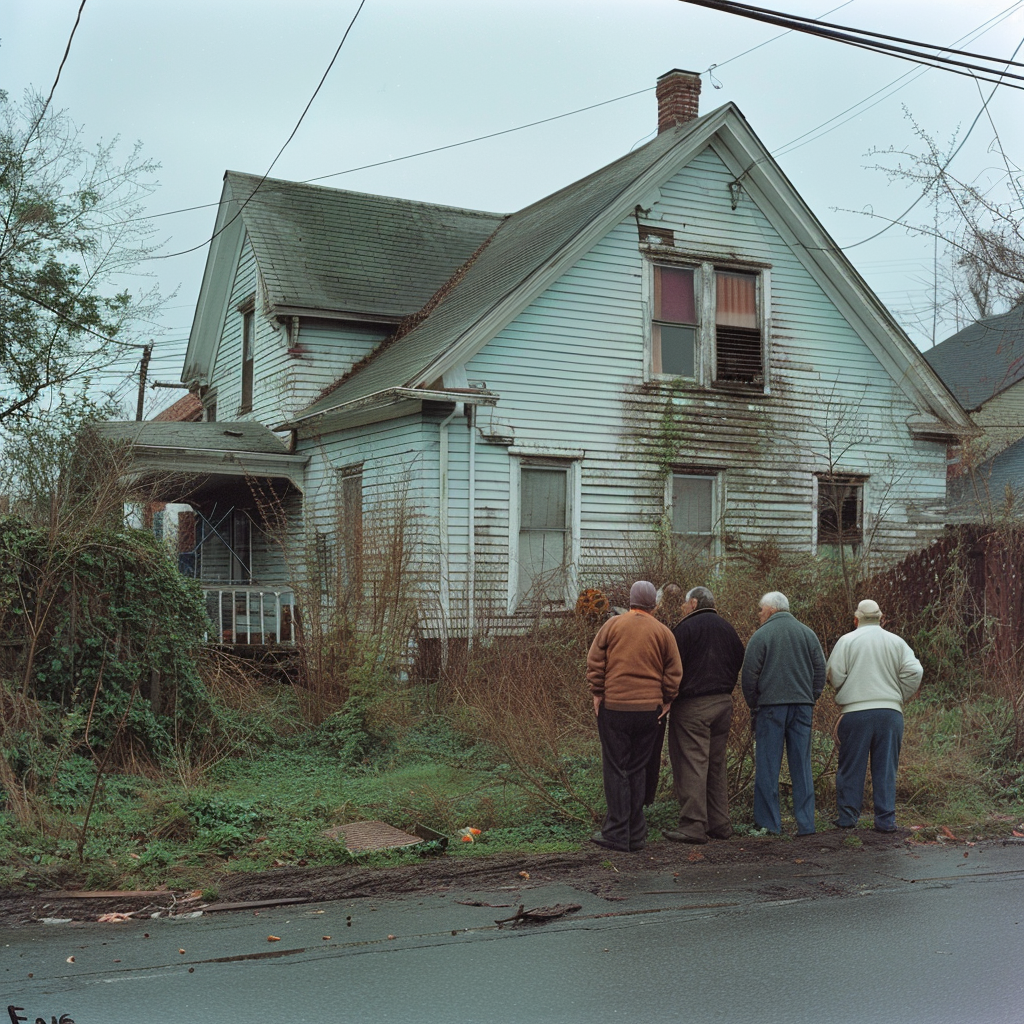
MidJourney generation: Documentary-style photo, a group of neighbors standing beside a house, gossiping.
The truth is, no one can see the truth. Everyone else is working hard to hide the truth, because the truth is that they're afraid of who they really are. So they're all performing, pretending to be a good person. Or they might rebel and be a bad person, but they're still controlled by that false standard, they're still not being themselves.
It's all exhausting.
I am nothing. It's simple. If I were smart, I might be afraid of looking stupid. If I were successful, I might be afraid of failure. If I were a man, I might be afraid of weakness. If I were a Christian, I might be afraid of losing faith. If I were an atheist, I might be afraid of believing. If I were a rational person, I might be afraid of my emotions getting out of control. If I were an introvert, I might be afraid of meeting new people. If I were respectable, I might be afraid of looking foolish. If I were an expert, I might be afraid of being wrong.
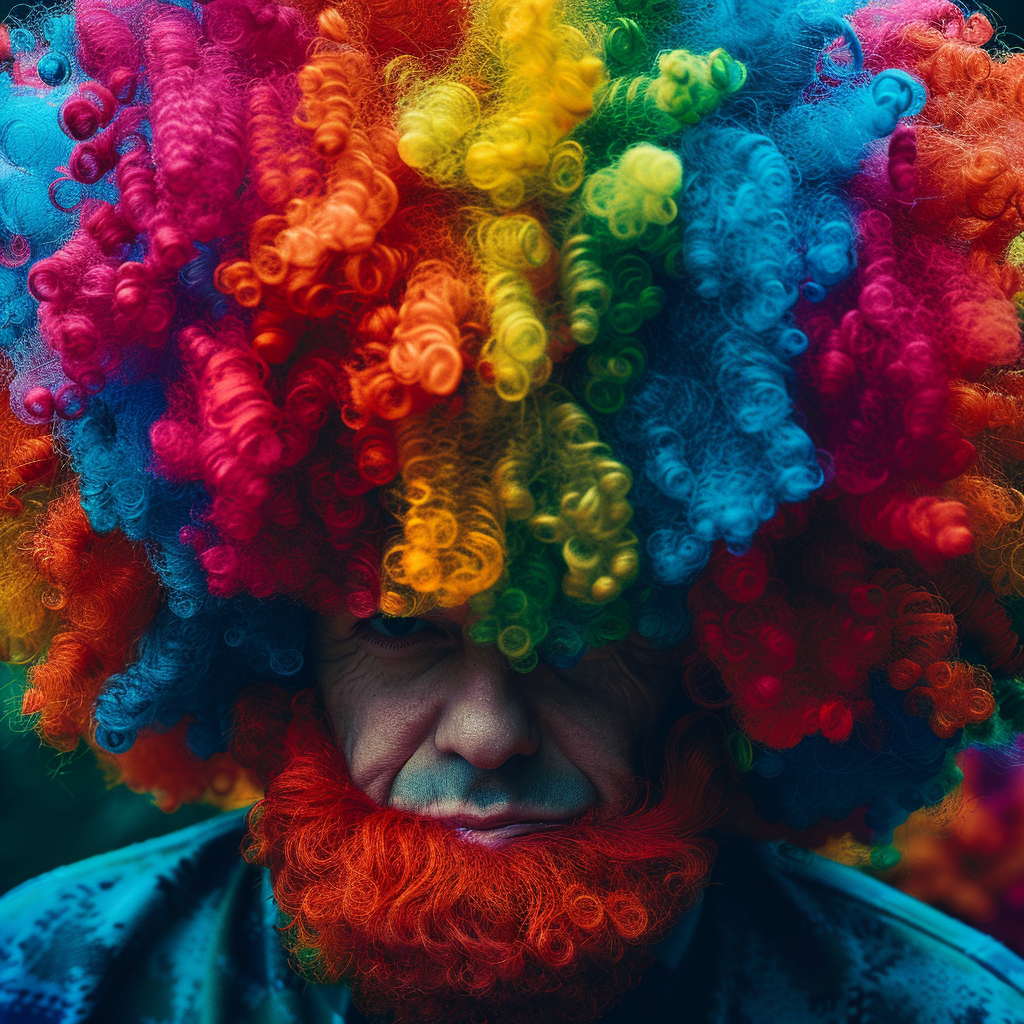
MidJourney generation: Documentary-style photo, a rational person afraid of their emotions getting out of control
But I am nothing, so I am finally free to be myself.
This isn't an excuse for stagnation. Change is inevitable. Change is part of who we are, but if we're not changing for the better, then we're simply slowly rotting.
By returning to no expectations, by accepting that I am nothing, it becomes easier to see the truth.
Fear, jealousy, insecurity, unfairness, embarrassment — these feelings blind us to the truth. The truth is often threatening, and once our defenses go up, it's hard to be completely honest with anyone, even ourselves.

MidJourney generation: Documentary-style photo, a young woman putting up defenses around herself.
But when I am nothing, when I have no image, identity, or ego to protect, I can begin to see and accept things as they really are. This is the beginning of positive change, because we cannot change what we do not accept and understand. But with understanding, we can finally see the difference between solving a problem and hiding it, between real improvement and pretense. We discover that many of our weaknesses are actually strengths once we learn how to use them, and our greatest gifts are often buried beneath our greatest insecurities.
Giving up your identity can be difficult, and can take time, maybe forever, but like any change, moving in the right direction is what truly matters (this is why you shouldn't compare yourself to others — you didn't start in the same place, and you haven't faced the same challenges).
Fortunately, we have various emotions to help us: pride, anger, fear, jealousy, insecurity, unfairness, embarrassment, bitterness, and so on. These are sometimes portrayed as bad emotions — but there are no bad emotions, only bad reactions to emotions. If instead we use these emotions as a cue to remember "I am nothing," let go of our identity, and examine why we're feeling this emotion (usually because something is threatening our identity), then these emotions are actually beneficial. They lead us toward buried truth.
True self-improvement requires becoming a better version of yourself, not a worse version of someone else.
Reference:
Product Meditation — Gmail Creator Paul Buchheit on Independent Thinking and Self-Identity
Go watch Article 20!
Recommending with every ounce of strength I have
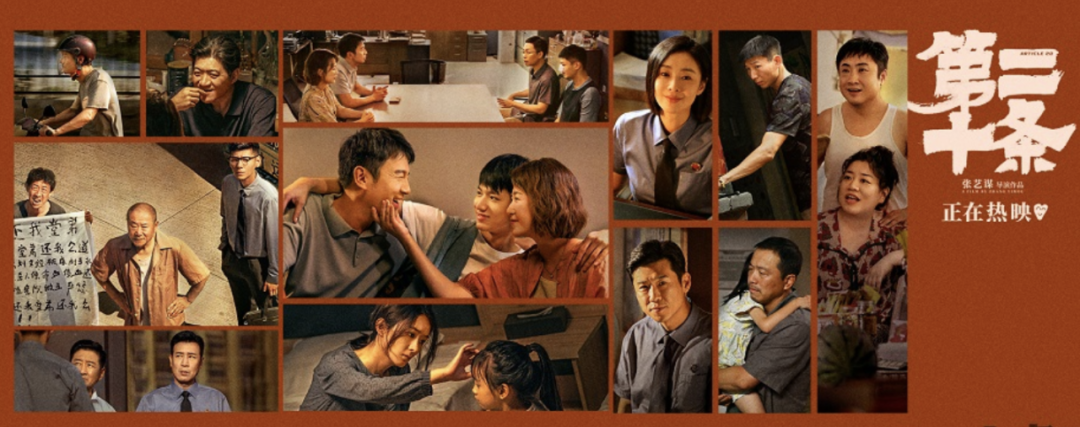
My friend Xiaochen recommended Article 20 with every ounce of strength she had, saying: "I believe recommending everyone around you to watch this film is the duty of every citizen who still hopes for rule of law — a duty owed to that very hope."
Here's her full recommendation:
I couldn't calm down for a long time after watching Article 20. It's the most socially significant film to receive wide theatrical release since Dying to Survive.
Within limited constraints, the director has made tremendous efforts to present law, reason, and emotion as comprehensively as possible: the Monday-morning-quarterback "rational legal professional," the institutional "banality of evil" that mechanically follows rules and statutes, and the socially savvy hustler who skillfully maximizes gains through making scenes — all feel remarkably real and familiar to anyone who follows this space.
From Lao Dongyan's 2020 article on the distortion of justifiable defense, to Luo Xiang's numerous legal education videos on Bilibili these past few years, the fact that the problems and progress around Article 20 can reach a broader audience more authentically through this film fills me with excitement. Systems can change, rule of law can be demanded — when more people truly gain awareness and voice demands, perhaps that future we once envisioned isn't as distant as we thought.
This film's release was the most hopeful I've felt in months, the hottest my blood has run. As long as we can still speak, as long as we're still allowed to speak, the longing and demand for fairness, justice, and a secure, good life will eventually carry us toward a better direction.
Though I have minor complaints about the dragged-out bickering scenes between the couple, the buildup and character arc for Lei Jiayin's role is already exceptionally, exceptionally good by domestic film standards.
I've criticized director Zhang Yimou countless times in past reviews for being unable to tell stories, reduced to a mere director of red-and-white celebrations. But this film completely overturned my previous perception.
Salute to director Zhang Yimou — at 73 years old, he's still willing to return to his original aspirations, to set out anew, to work hard at learning and telling a good story.
Forever curious, forever progressing — this was the best spiritual recharge of my New Year holiday.
Once again, I urge everyone to go to the theaters and recommend this film to everyone you know.
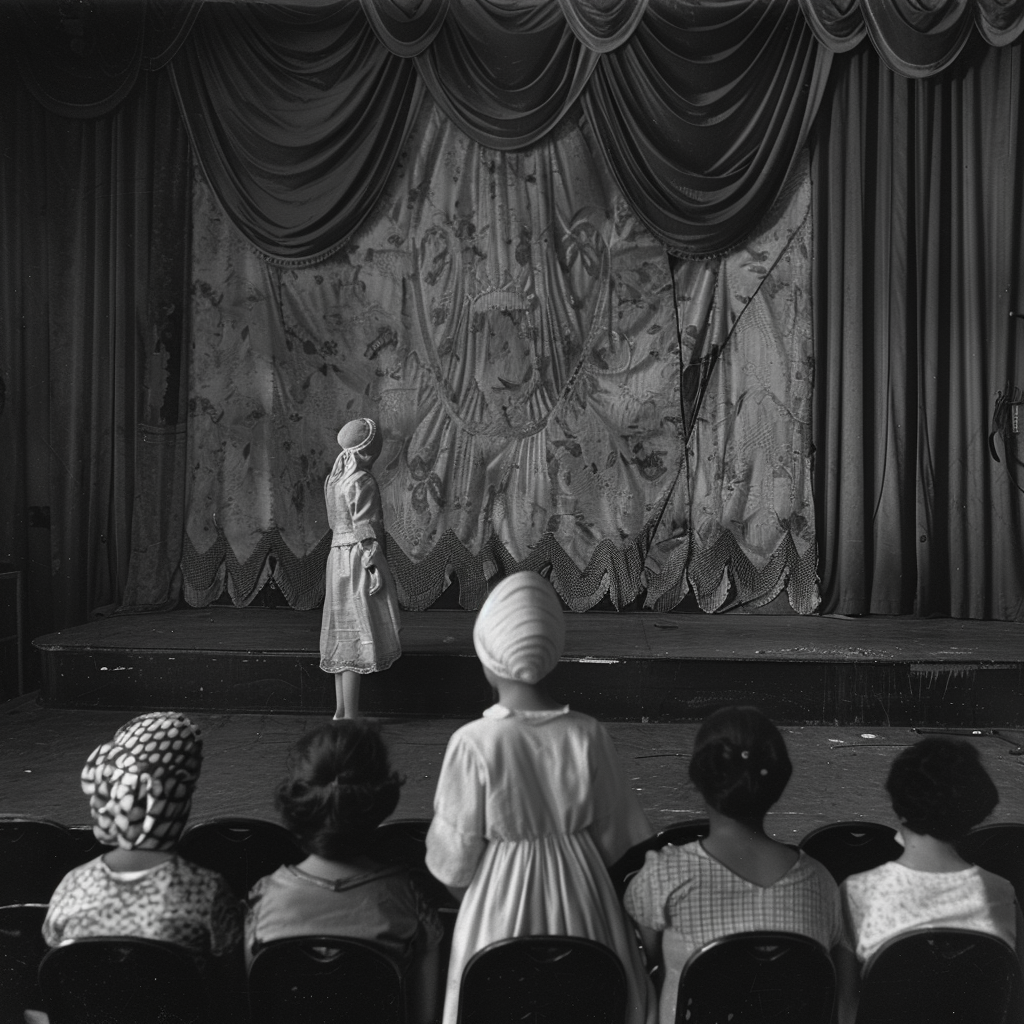
MidJourney generation: Documentary-style photo, is the world a makeshift crew?
I also recommend watching Luo Xiang's post-viewing video on Bilibili, "The 'Problem' and 'Solution' of Justifiable Defense"
https://www.bilibili.com/video/BV1mJ4m147PG/
Luo Xiang said: Some say the world is a makeshift crew, but should we willingly be the incompetents in it? To Kill a Mockingbird says: "Courage is knowing you're licked before you begin, but you begin anyway and you see it through no matter what."
In short, courage is a beautiful quality. When the hand of fate delivers us to extraordinary moments, may we be as brave as we imagine ourselves to be.
Getting into the Nikon P900
From birdwatching to bird photography: the birder's inevitable fate
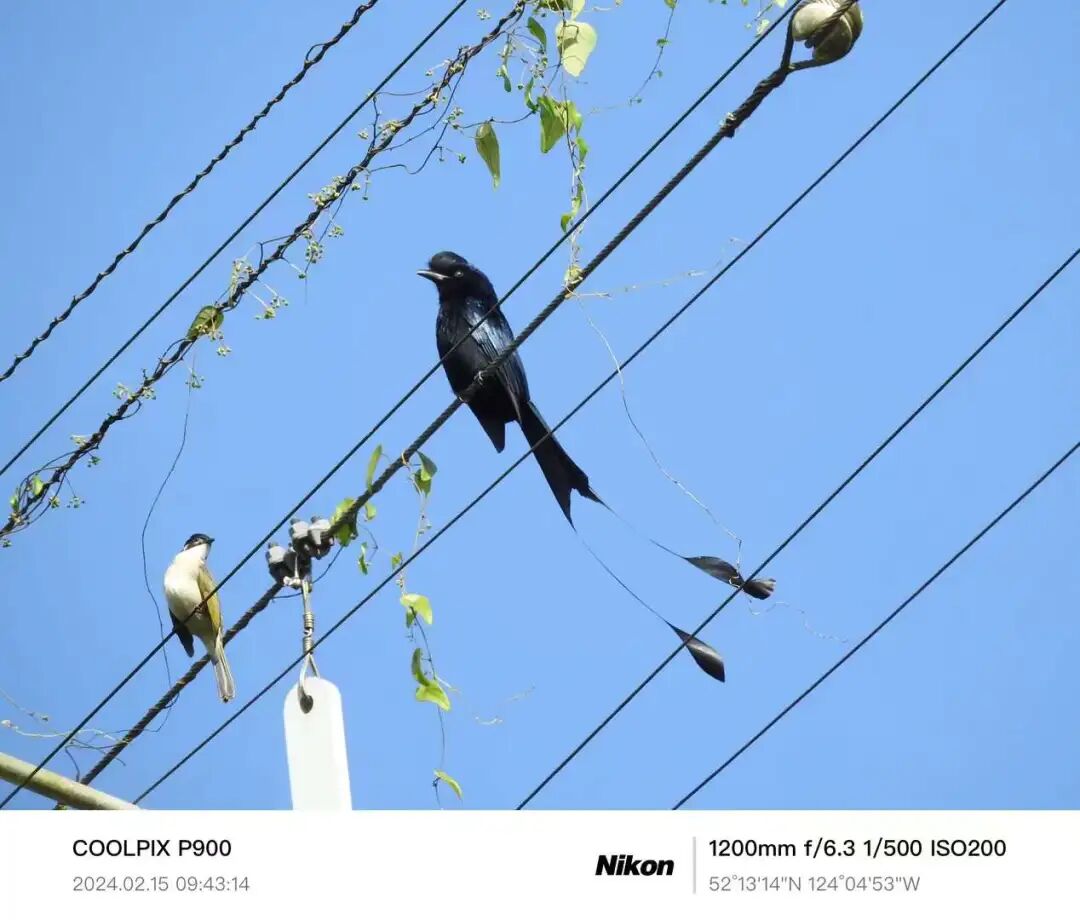
This is the only photo in this article taken by an actual human (me). It's of a bird called the Greater Racket-tailed Drongo, shot last month at Jianfengling Forest Park in Hainan.
The Greater Racket-tailed Drongo's tail is stunningly beautiful, but so long that I constantly worry it'll get snapped by wind or snagged on branches.
My recently acquired Japanese-market Nikon P900 has been fantastic — ultra, ultra, ultra lightweight, no problem hanging around my neck for a full day of hiking in the wild, and the maximum telephoto reach goes up to 2000mm.
In this photo, the drongo was perched on a high-voltage wire, looking to the naked eye like a tiny black ant. But at 1200mm, I captured the glossy detail of its tail feathers, swaying in the wind. The moment I pressed the shutter, I was genuinely moved by what technology can do.
💡
Recent "Inspiration Weekly" updates:
Inspiration Weekly Vol 01: Other people's 30s; how to improve your luck; good things will happen
Hi, I'm Koji. "TheCatalyst" is my personal WeChat public account.
I'm co-founder of the sleep environment brand Tangdao and content company The Fair. I previously founded the Jiepang app and was involved in the early days of Fanfou and Jumei International Holding Limited. I'm a quintessential cross-boundary entrepreneur — from tech to e-commerce, from content to consumer goods, I've always let curiosity lead me wherever it may roam.
"Catalyst" is a fascinating thing: though tiny, it holds enormous energy, accelerating chemical reactions. I hope through writing to provide catalysts that inspire myself and others; I also hope catalysts help me build more meaningful relationships and grow together.
Feel free to add me on WeChat: YuanchengYang
Or find me on Jike: @koooji