Those Potholes We Hit Building Startups, Season 2 | Code Meetup 2018

Season two, the excitement continues.
On April 20, Source Code Capital's 2018 Code Meeting annual conference, themed "Open Source Iteration · Decoding the Future," was held in Beijing. At this year's conference, CEOs of Source Code Capital portfolio companies jointly explored topics including industrial internet, new retail OMO, going global, entrepreneurial mindset, startup pacing, talent acquisition and management, sparking insightful exchanges.
A highly popular topic from the 2017 Code Meeting, "The Pits We Fell Into During Our Entrepreneurial Years," returned for an exciting Season Two in 2018. Xingchen Zhang, Vice President of Investment at Source Code Capital, Li Lei, founder of Hui Fenqi, Zhou Jian, founder of Nong Fenqi, and Wang Peng, founder of Julixinfang, shared their hard-won lessons and reflections on "strategic planning and execution, fundraising, team organization and building, and personal cognition and anxiety."
Founder Quotes / CEO QUOTES:
- High turnover requires fast sales and fast cash collection — the pressure keeps mounting.
- Customer acquisition and securing housing inventory aren't the most important things; conversion efficiency is.
- Rural scenarios are so unique that many talented people are unwilling to enter them.
- Initially we hired some very professional people, only to find some left very quickly.
- When the team was first formed, we emphasized a "family culture" — we felt we couldn't fire family members, which made it extremely difficult for all management to terminate employees, unable to bear making cuts.
- I've raised so much money I could basically become an FA myself now.
- Pits and hurdles are especially obvious during the fundraising process.
- We were overly optimistic in assessing revenue capabilities early on.
- Raise money early; don't optimistically assess your own cash flow — that's a pit.
- Thinking that if you just keep your head down and work hard, someone will eventually discover you.
- Anxious every day. Not "most anxious," only "more anxious."
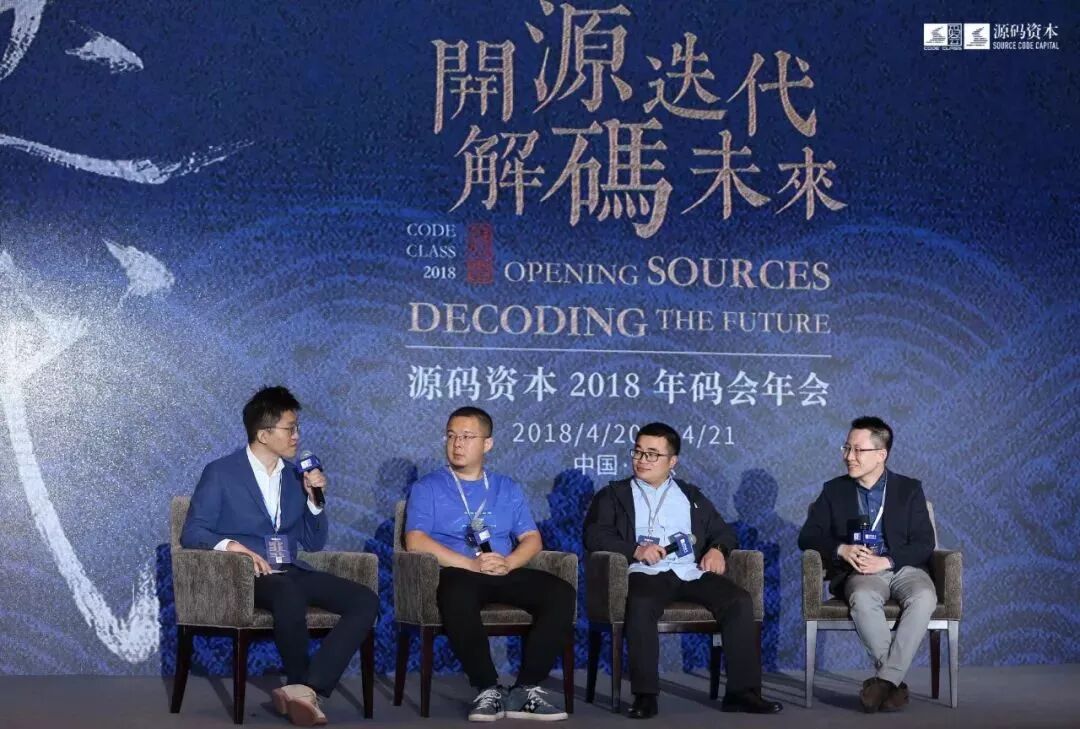
From left: Xingchen Zhang, Li Lei, Zhou Jian, Wang Peng
Full transcript of the panel discussion below
Source Code Capital, Xingchen Zhang: The theme of our panel is "The Pits We Fell Into During Our Entrepreneurial Years" Season Two. Let's first have the three CEOs introduce themselves.
Hui Fenqi, Li Lei: Hello everyone, my name is Li Lei, from Hui Fenqi. We mainly operate two businesses. The first is rental installment financing. As housing prices get increasingly expensive, young people spend over 30% of their after-tax income on rent, and the traditional "one month deposit plus three months rent" model creates significant pressure. At Hui Fenqi, tenants only need to pay one month deposit plus one month rent, and we cover the remaining rent. The second business is Hui Zhaofang, similar to Tmall in the rental space, helping users find more genuine and effective housing listings through this platform. Thank you.
Nong Fenqi, Zhou Jian: Hello everyone, I'm Zhou Jian, founder of Nong Fenqi. We serve the agricultural large-scale planting community, whose business attributes are particularly strong. Agriculture used to consist of individual farmers, but now with the trend toward large-scale planting, national land transfer rates have exceeded 40%, and are expected to reach around 70% within five years. We provide large-scale land operators with a range of services including financing, production materials, and agricultural technology throughout the planting process. We currently operate mainly in major agricultural provinces, the Yangtze River basin plains, and the North China Plain. Mr. Guo just mentioned policy iteration — actually, we're in the industry with the most policy tailwinds.
Julixinfang, Wang Peng: Hello everyone, I'm Wang Peng, founder of Julixinfang. We do new home e-commerce transactions. E-commerce categories generally move from high-frequency to low-frequency, from light-decision to heavy-decision. We've now reached automobiles, and after that, housing is likely next. Recently, the international first-tier real estate media company Zillow has also begun transforming into transactions. So far, new home transactions account for over 60% of domestic transactions. We use new home e-commerce as our entry point, deeply embedding ourselves into the specific home-buying process to help people purchase homes at lower cost, with better service, through more guaranteed channels — compared to the typically unpleasant service process, we are more convenient and more guaranteed.
Source Code Capital, Xingchen Zhang: We often hear that a company's biggest bottleneck is its CEO. A CEO mainly does three things: find people, find money, and find direction. This sounds simple, but in reality, pitfalls are everywhere. So let's start with strategic direction setting and execution. First question for Li Lei: you initially started with transactions, then pivoted to切入 the financial direction, and now have made a spiral ascent, cutting into transactions from a financial angle. You must have stepped into quite a few pits along the way — please share your experience with everyone.
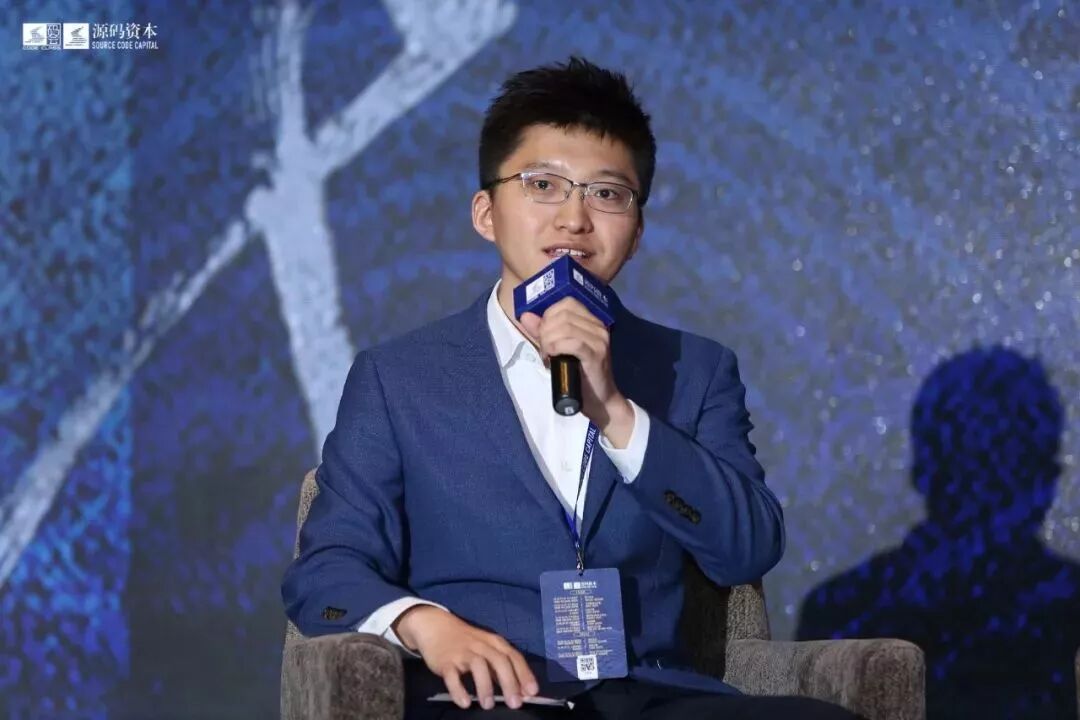
Xingchen Zhang, Vice President of Investment, Source Code Capital
1 Cognitive Iteration and Adjustment
Hui Fenqi, Li Lei: We were founded on December 10, 2014. Initially, we actually wanted to build an internet intermediary for rentals. Although we personally visited several hundred traditional intermediary companies, our understanding of the industry wasn't deep at the time. We thought the industry was too "low-end" and had to be disrupted — that was our immature thinking back then. We launched something similar to Ai Wu Ji Wu, an internet rental intermediary. On the seventh day, December 17, we made a difficult decision: a complete business pivot to today's Hui Fenqi, entering finance. Why?
We misjudged our team's and our own capabilities. Our understanding of society and the world was probably inadequate at the time; we didn't think things were that complex and difficult. But two things happened: first, Ai Wu Ji Wu raised a lot of money and moved incredibly fast — so fast I couldn't even imagine it; second, another giant also launched a new rental brand. Later, my team and I concluded: if you're not certain you can become number one at something, you must immediately switch. Ultimately, we believed this industry would have finance first, then transactions. It turned out that the 2B2C rental business underwent massive market tests in 2015-2016, and many players were abandoned by the market.
In traditional industries, consumer finance and scenario-based finance have numerous platform-type scenarios — e-commerce, education, travel, and so on. Only in rentals was there no transaction platform, and the rental industry was sufficiently traditional and primitive that using finance to切入 transactions was a good approach.
In October 2016, we made an important decision to enter the rental platform business (Hui Zhaofang), because the inflection point had arrived — we had to build a transaction platform, or else finance might get cut off. Starting from 2015, the rental industry's business model underwent tremendous changes. Previously it was C2C, with intermediaries collecting service fees. Now, large numbers of second-landlord model operators like Ziroom emerged, becoming B2C. Through finance, SaaS systems, front-end traffic, smart devices, electronic contracts and payments, and a series of other empowerments, we enabled small and medium-sized intermediary companies to better operate second-landlord businesses.
We've been making spiral transformations and switches. First through rental installment financing as a single point, solving the pressure of rental payments; second, genuine listings; third, electronic contracts to improve transaction efficiency; fourth, online cardless, cashless payments — solving one industry pain point after another. This is the best approach, and something we didn't recognize when we first started out.
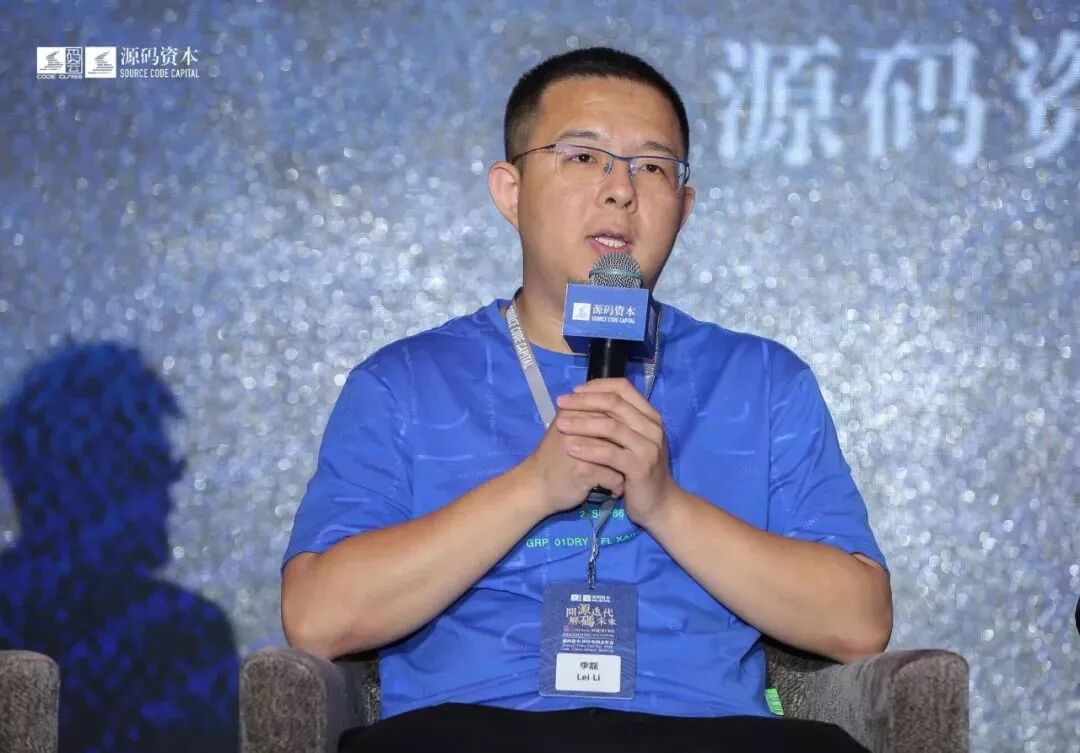
Li Lei, Founder of Hui Fenqi
2 Attitude Leading to Failure
Source Code Capital, Xingchen Zhang: Thank you for sharing, Li Lei. The rental business is very offline, with many very traditional people to serve, to serve second-landlords, to transform them, to identify their needs — there must be many very arduous aspects.
Our next question is for Zhou Jian. Source Code has invested throughout your journey and witnessed your transformation process, from starting with agricultural machinery installment financing to now becoming an agricultural internet direction. In this exploration process, have there been any pits you'd like to share?
Nong Fenqi, Zhou Jian: I understand "pits" as failures and losses caused by attitude. Because agriculture differs from other consumption scenarios — it has strong production attributes.
We also initially looked for the core pain points of large-scale agricultural producers after scaling, and the core need was lack of money, so we decided to enter through finance. But a single financial product is actually quite difficult to monetize in rural production cycles, and we were overly optimistic in assessing revenue capabilities early on.
We found that providing consumer loans to these groups was too costly for them to accept — production requires considering input-output ratios. During exploration, when we reached 200 million in monthly lending, we were already the largest financial startup in China's agricultural production sector. At that point, whether from interest spreads or service fees, revenue pressure wasn't great. But to reach hundreds of billions or even tens of billions in agriculture requires long-term accumulation.
Later, when we integrated financial services into scenarios, we found we instantly cut into agricultural materials trading. Not only did we give farmers money, but also production materials — fertilizers, pesticides, agricultural machinery, and so on. This was an early cognitive shift.
Another point: agriculture is divided into planting and animal husbandry, but these are completely different fields with different logics, and needs at every stage are entirely different. Early on, we lumped planting and animal husbandry together and also tried financial services for animal husbandry. Later we realized this path was beyond what our current team could handle, so we gave it up. This was a pit in understanding agriculture — previously it was a pit regarding finance's positioning in agricultural production. Thank you.
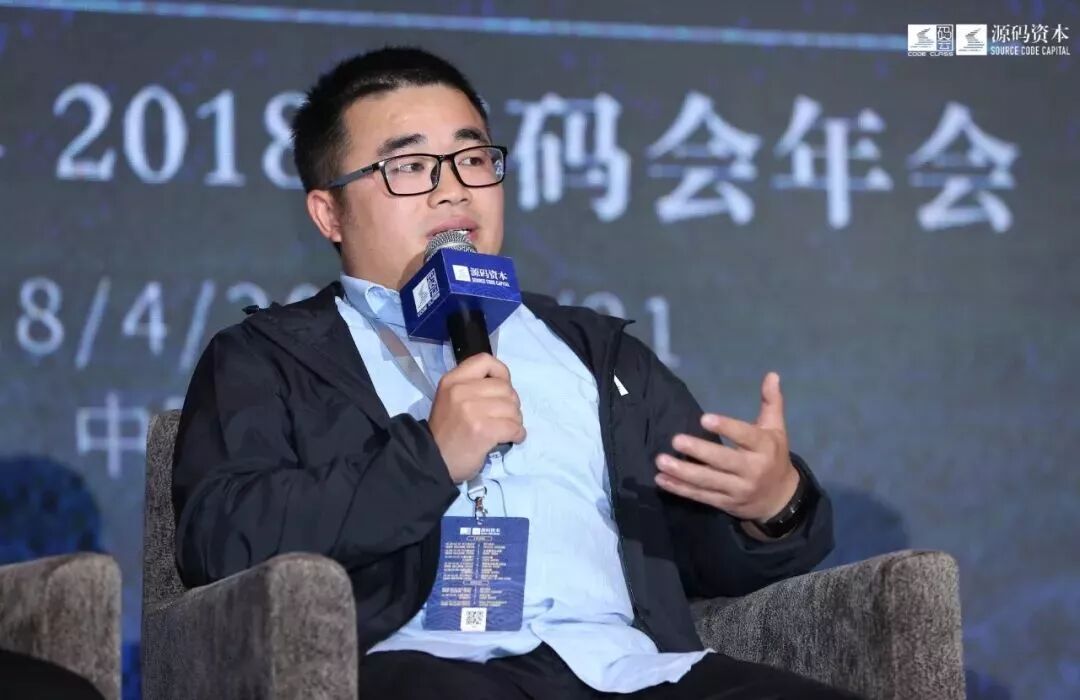
Zhou Jian, Founder of Nong Fenqi
3 Strategy and Tactics
Source Code Capital, Xingchen Zhang: Looking at the pits both of you stepped into, many involve understanding of your respective industries and comprehensive adjustments based on your team's short-term capabilities. And both of you cut into transaction platforms from finance, now finally forming relatively clear models. Next, let's have Mr. Wang Peng share — at the strategic and tactical levels, what adjustments have you made and what problems have you encountered?
Julixinfang, Wang Peng: Unlike the two of you, we started with transactions from the beginning. Over the four years from team building to now, we haven't changed our strategic direction, but we've made several tactical adjustments, such as traffic acquisition adjustments, service process reengineering, and so on, with internal adjustments every month. But we've recently begun researching whether to build subsequent new business expansions based on our core transaction link.
First, you have to think your strategy through clearly. Strategy is built on values — why are we building this company in the first place? Before starting my business, I spent many years in real estate and felt two major pain points. First, developers were finding it increasingly exhausting to sell properties. It was obvious that the industry was consolidating from low-turnover to high-turnover models. Low-turnover developers were dying off quickly, while high-turnover ones were growing fast — and high turnover demands rapid sales and quick cash recovery, which creates enormous pressure. Second, homebuyers were also facing mounting pressure. For the previous two decades, most buyers were driven by investment motives. In Beijing and Shanghai, there was a saying: "just get on the train first" — if you had money, buy something, anything. Investment demand hinges on a single decision point: return on investment, not whether the property is actually suitable to live in.
Now, owner-occupier demand is gradually becoming mainstream, and decisions have become highly personalized. People with pets want lower floors. Families with elderly members need elevators. Someone working in Mentougou can't buy in Fangshan. This makes the comprehensiveness of property information far more complex than with investment-driven demand, yet this was something no previous transaction service provider could offer — no one could truly aggregate all listing information and make efficient recommendations.
Everything we've done since then has been constructed around solving this one strategic problem. On the tactical side, there's one thing worth sharing: once you have a fixed strategic point, you also need a certain "aspirational power" around it — a Buddhist term (if you believe in something, it will happen). There were many temptations at the time. The mainstream approach was to gather agents onto a platform to sell houses. But after repeated evaluation, we felt this would solve neither the developers' problems nor the customers' problems. We had to create a genuinely valuable solution. And as time went on, we found that through accumulated effort, we gradually made this path work better and better.
At the tactical level, for "progressive, high-stakes" transactions like real estate, there was a period when we devoted tremendous energy to customer acquisition and securing listings. But we later realized that customer acquisition in such a low-frequency market isn't actually difficult. The total customer pool isn't that large, and everyone shops around — reaching a customer is very easy. The same goes for listings: whether new or resale, sellers are anxious, and they'll go with whoever can sell their property. So customer acquisition and securing listings aren't the most important things. Conversion efficiency is. We've now optimized what was an extremely heavy decision-making transaction cycle down to 16 days internally — from when a customer finds us to completing the transaction. On average, they view 3 properties with 1.7 accompanied showings. We can very precisely help customers find what they want.
I believe that in low-frequency, high-stakes transaction services, the platform is an extremely important link. You must minimize mismatch rates to increase customer retention, or rather, reduce customer attrition through the超长漏洞 of the transaction process. Based on this, we began making extensive efforts in 2015 to build a system and infrastructure. Though this system took a long time to develop, Lianjia's Lao Zuo had a saying: "Do the hard and right thing." It truly is difficult but valuable — and once you've done it, others will find it equally hard to replicate.
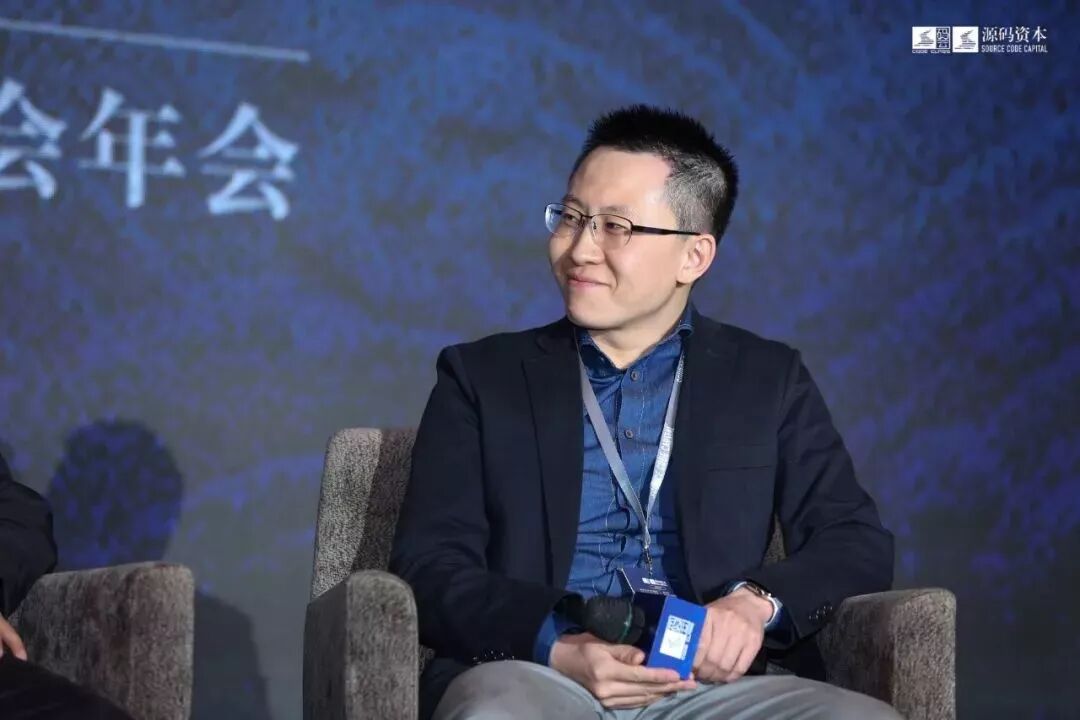
Wang Peng, Founder of Julixinfang
4 The "People" Pitfall
Zhang Xingchen, Source Code Capital: Thank you, Mr. Wang. One point you just made was quite moving — this idea of "aspirational power," believing that if you persist, it will happen. Second, finding people and building teams. On this point, let me first ask Mr. Wang: have you stumbled into any pitfalls or made mistakes in managing teams and hiring?
Wang Peng, Julixinfang: I wouldn't say pitfalls or mistakes. Our executive turnover rate is very low. Over the four years from founding to now, among those reporting directly to me, including city managers, only two have left. The vast majority of executives and all partners have stayed with the company, so it doesn't really count as a pitfall.
Since this was my first time founding a company, when I first looked for executives, I tended to focus on capability — can this person solve the problem quickly — without paying as much attention to whether we shared the same dream, whether our core values aligned. Including whether everyone wanted to work this hard, push themselves this intensely, whether they valued short-term interests or long-term value, whether they should prioritize customers, shareholders, or employees.
Honestly, I didn't invest too much energy in building the initial team. But our executive turnover has remained low, and the core reason is also aspirational power — being customer-focused in everything we do every moment, having dreams, caring about the company's long-term value. I feel values come from my upbringing, the collectives I've been part of, and especially from my first boss. My first job involved constantly discussing how to view problems, constantly doing group磨合, and also doing hard but right things.
Zhang Xingchen, Source Code Capital: That's quite remarkable. I believe your experiences resonate with the two CEOs here as well — they may have stepped into bigger pits than you. Let's hear what they have to say.
Zhou Jian, Nongfenqi: Rural scenarios are quite special — so special that many talented people aren't willing to enter. One veteran said, smart people don't want to work in rural areas, so recruiting senior talent is especially difficult.
We'd find some professional people, and during interviews they'd sound very convincing and professional, but when it came to execution, they lacked the ability to deliver. The reason was that our own cognitive level was relatively low at the time — we felt they were so much more advanced in their professional domain, immediately thought they were impressive, which led to some positions being restaffed after every funding round. This was an early problem in capability discernment.
Now my network has expanded, and I've connected with professional friends — asking friends to help with interviews and give advice, for example. This aspect is gradually improving.
In agriculture, genuinely outstanding people certainly have the capability, but once they're actually in the industry, they don't tend to stay long. Our most painful experience was probably in 2016-2017 during fundraising. We had just changed CFOs — quite capable, with experience at a Big Four firm and as CFO of a listed company. But after all our executives went down to rural areas for a week, they immediately resigned upon returning — right during a critical fundraising period for the company.
In summary, at the time we first solved for capability in hiring executives without considering whether they could develop passion for the agriculture industry, whether they could integrate into the team — causing many oversights and mistakes early on.
Li Lei, Hui Fenqi: Initially we found some very professional people, and after hiring them, some left very quickly. Talking with them, they said they felt unconfident coming to this company — initially things felt comfortable, but after three months they found it painful.
We reflected on this, and ultimately hoped to recruit people with strong learning ability — not focused on historical experience. Experience is certainly good, but the more experienced someone is, the more they need to learn to forget. No one had studied the rental industry before doing it. The company was developing very fast; historical accumulation only represents one part. What's more important is whether everyone on the team has the willingness and ability to learn — only then can we solve long-term problems together. That's the first pitfall.
The second issue: honestly, we didn't do well in performance management or team optimization early on. When the team was first formed, we emphasized "family culture" — feeling we couldn't fire family members, which made it extremely difficult for all management to terminate employees, unable to bear doing淘汰. But after last year's Spring Festival, we did some internal re-education with our own thinking: what's good for family is ensuring family members' futures are good. If someone is suffering in their position, unable to perform well, that's pain for themselves and even more pain for other family members. A team has a短板 theory — if one person runs slow, everyone slows down. Recently the company has done well in personnel optimization and淘汰. Something to be proud of: though we optimized some people, roughly 15%, they didn't conflict with the company — instead they felt the company made better arrangements for them. This was quite moving through the years.
Wang Peng, Julixinfang: All startups face similar people problems. We've also摸索 out some solutions. On capability assessment, companies must establish an OKR-style evaluation system. When adding a person, I must be clear about what problem this person is solving — maybe I don't know the solution path, but I must articulate the problem clearly and how to measure it. This way, everyone knows clearly before joining: what level of performance means staying, what level means demotion or even leaving.
Second, values. I feel that leading by example and establishing a value evaluation system within the company is quite important. If you demand customer-first, are those who truly put customers first being rewarded, and those who don't being punished? If you demand hard work and overtime, are hardworking people being rewarded? Once this becomes mechanism within the company, you'll gradually find the underlying values converging. This is extremely important for a company — like biology, only the same species can reproduce and develop.
5 The "Money" Pitfall
Zhang Xingchen, Source Code Capital: Still starting with Li Lei — you've had quite a lot of fundraising experience, seems like it's aged your face quite a bit. Share with us what difficulties you encountered in the fundraising process?
Li Lei, Hui Fenqi: I've raised money so much I could become an FA myself. I have roughly 500+ investors in my WeChat contacts, many of whom I've talked to for four rounds. Why? Because the fundraising process is brutal. Especially in 2015, rental installment was disliked by everyone — people thought, without a scenario where does finance come from? They hadn't noticed the changes in the broader real estate market during 2015-2016. Those two years I was constantly raising money, constantly failing to raise — a very painful process. But it gave me excellent training. Every difficulty is a cornerstone of your progress and success. Every challenge from investors is valuable — it stimulates deeper thinking, helps you think through things more thoroughly, constantly asking yourself why investors would raise such incomprehensible, seemingly stupid questions. After thinking it through over time, you'll find your business development thinking becomes very clear. The rest is simple: lead the team to execute better, which is easier than deep thinking.
Zhou Jian, Nongfenqi: Everyone says entrepreneurship is like deep step, shallow step — jump out of a pit, there's a threshold below. Pits and thresholds are especially obvious in the fundraising process. A "pit" I understand as a cognitive bottleneck, causing unexpected situations due to limited cognition. A "threshold" is a challenge the team's capability cannot address or requires great effort to solve — a capability problem.
In fundraising, there were indeed many pits and thresholds. I had founded companies several times before, but never dealt with investment institutions — all solo fighting. With Nongfenqi, I initially invested 20 million myself. When entering the capital market in 2015, my experience was very insufficient, facing major challenges. I was too optimistic then, making a cognitive error on cash flow — thinking I could sustain until year-end or even become profitable. That was a huge misconception. Later I learned: raise money in advance, don't optimistically assess your own cash flow. That's a pit.
But then came another hurdle: I couldn't raise money. The team had been heads-down building the whole time, weak on fundraising capabilities. My mindset had changed, but my abilities hadn't caught up. Constantly climbing out of pits and leaping over one hurdle after another — that thread runs through the entire entrepreneurial journey with particularly vivid memories. And fundraising, compared to team-building or strategic direction, stands out as the most memorable thread with the most lessons. So for us now, we've also realized the need to bring in professional fundraising talent and actively engage with institutions. Finally, thanks to Source Code Capital for coming in at our Series A, B, and C, for their continuous support — truly grateful.
Julive (居理新房) Wang Peng: The pitfalls everyone hits during fundraising are pretty similar. Among the founders I know, first-time entrepreneurs all experience cash flow management issues to varying degrees. You probably think your money will last a while longer, but when the moment actually comes, you realize you're short — and that gap can't be filled by capital immediately. So having a good finance director or CFO is crucial.
From a process standpoint, Julive's journey has been similar to everyone else's. Over the past four years, I've met with over 200 investors in total. Two dimensions here: talking with investors lets you examine yourself from an external perspective — where you're falling short, what can be improved. I often tell my team internally: whether or not the company needs money, you should be out fundraising periodically, explaining your business model and data to others. There are always smart investors who will spot something. Bring those insights back and review them, and you'll genuinely discover areas for improvement. That's been valuable for the company, and it's why our performance after each round has gotten better and better — we've been able to think through our own business more clearly.
Source Code Capital led our Series A. At the time we were doing quite well in the Beijing market, but the team was agonizing over whether to enter Shanghai. It was Source Code that told us we needed to get into Shanghai quickly, to reduce our dependence on a single market. We had just opened in Shanghai when Beijing got hit with regulatory tightening. So constantly talking with investors helps you spot blind spots — they've been through so many companies, good and bad, alive and dead. That perspective matters enormously.
Another crucial point: as a company you need your own conviction, the ability to set aside investors' less reliable ideas and think through how you actually want to develop.
6 Anxiety
Source Code Capital Zhang Xingchen: Final question — I saw some answers from guests yesterday. It's a choose-one-of-two. First: what's your biggest anxiety right now, and how do you deal with it? Alternatively: what beliefs did you think were right but turned out to be wrong? Pick one.
Julive (居理新房) Wang Peng: My biggest anxiety is seeing feedback from customers and employees. When a customer says your service is poor or has problems, and I realize the company thought it had a pretty decent solution — that gets pretty uncomfortable for a stretch. Same when employees point out management issues. And cash flow problems tend to trigger anxiety easily. But this anxiety isn't necessarily bad — it pushes you to find problems and solutions. I've come to quite enjoy this state.
Nongfenqi Zhou Jian: I'll go with beliefs. We stepped on many landmines in this area. Early on we didn't pay enough attention to government relations, thinking that if we just kept our heads down and worked hard, someone would eventually discover us. After repeated internal communication and adjustment, we added a GR team whose main task in year one was applying for programs. So starting in 2017, we began submitting and applying for all kinds of potential government support programs. Very few ultimately got approved, but the results were still quite noticeable.
Huifenqi Li Lei: I'm anxious every day. No "most anxious" — only "more anxious." Including the cash flow issues Wang Peng mentioned. In 2016, for anywhere from half to three-quarters of the year, our cash flow was completely broken. I believe things always reverse at the extreme. Internally during our entrepreneurial journey we had three phrases. First: "Turn the impossible into possible" — that was 2015. Second: "The harder you work, the luckier you get" — that was 2016, when cash flow was so severe but we just had to work harder. The next line: if you don't feel lucky enough, it's just because you haven't worked hard enough — keep pushing. 2017's third phrase: "The unknown is the future." That one motivated and propelled me tremendously. If you're anxious, you should be grateful for the present, because your anxiety comes from uncertainty about the future. If you knew what the future looked like, you'd realize there actually is no future. I personally believe in the power of intention — you believe first, then you see; not the other way around.
Source Code Capital Zhang Xingchen: Thank you to all three guests for your wonderful sharing. Wishing all three continued anxiety, low-key growth, and the ability to suddenly land ten term sheets — a pack of wolves. Thank you. Open-source iteration, decoding the future. Today we open-sourced our pitfall experiences and decoded many secrets. We look forward to Season Three.
Previous Code Meetup Articles
3rd Edition | Yiming Zhang: A CEO Must Avoid Rational Arrogance
3rd Edition | Lianjia's Zuo Hui: My Understanding of the Real Estate Industry
3rd Edition | Meituan's Huiwen Wang: Do the Right Thing, the Payoff Cycle Is Shorter Than You Think
3rd Edition | Wang Jingbo: Only Deep Operations Can Make Financial Licenses Work
3rd Edition | Meili United Group CEO Chen Qi: The Difference Between a Mule and a Unicorn Is Focus
3rd Edition | Qin Zhi: The Things Only Entrepreneurs Can Teach Themselves
3rd Edition | Microsoft Research Asia's Zheng Yu: AI Applications in Urban Management and Business
3rd Edition | What Pits We Stepped On in Three Years of Entrepreneurship
2nd Edition | Xiang Li on CHJ Automotive: Transforming Urban Mobility
2nd Edition | Yiming Zhang: Why I Don't Agree with Controlling Labor Costs
1st Edition | Zhuang Chenchao: How Should Startups Compete? How Should They Lose Money?

Source Code Capital
Creating Lasting, Real Value

WeChat ID: sourcecodecapital
More professional content
Follow our official WeChat