Code Brain | Founder Mental Health and Resilience

Resilience isn't innate — it's learned.
#Code Brain
Ecosystem Connection, Cognitive Resonance
Entrepreneurs are society's most valuable resource. They create users, create jobs, serve as pillars of the national economy, and determine the quality of our lives.
In the third year of the COVID-19 pandemic, founders are under far more pressure than ordinary people. We hope this article helps entrepreneurs practice self-care and recognize the profound significance of investing in their emotional health — not just for their own careers, but as the key to helping their businesses survive crises and thrive. If you can't do all of this yet, don't worry, because resilience isn't innate; it's learned.
This article is adapted from www.entrepreneur.com, written by Emily Anhalt, clinical psychologist and co-founder of Coa.
Article Preview
- Under crisis, entrepreneurs' mental health is key to business success
- How to build resilience
- Entrepreneurial resilience isn't innate — it's learned
Two years ago, I met Jake for the first time. Overwhelming anxiety had driven him to seek treatment. Jake was the founder and CEO of a startup, self-made and constantly focused on scaling his company — usually at the expense of his own physical and mental health. Jake rarely exercised, lived a highly irregular life, often grabbed whatever was available at the convenience store near his home, and deeply hated asking others for help.
Jake took pride in his problem-solving abilities, but this was also his fatal flaw. Here's a distinctive psychological trait of entrepreneurs and founders: left unchecked, the very factors that drive their success can also lead to their downfall. And crisis accelerates this process.
Six months before I met Jake, his company had lost a group of excellent employees and a significant amount of money. It wasn't directly Jake's fault, but he blamed himself. Company morale plummeted, bad news kept coming, and Jake hadn't slept properly in months.
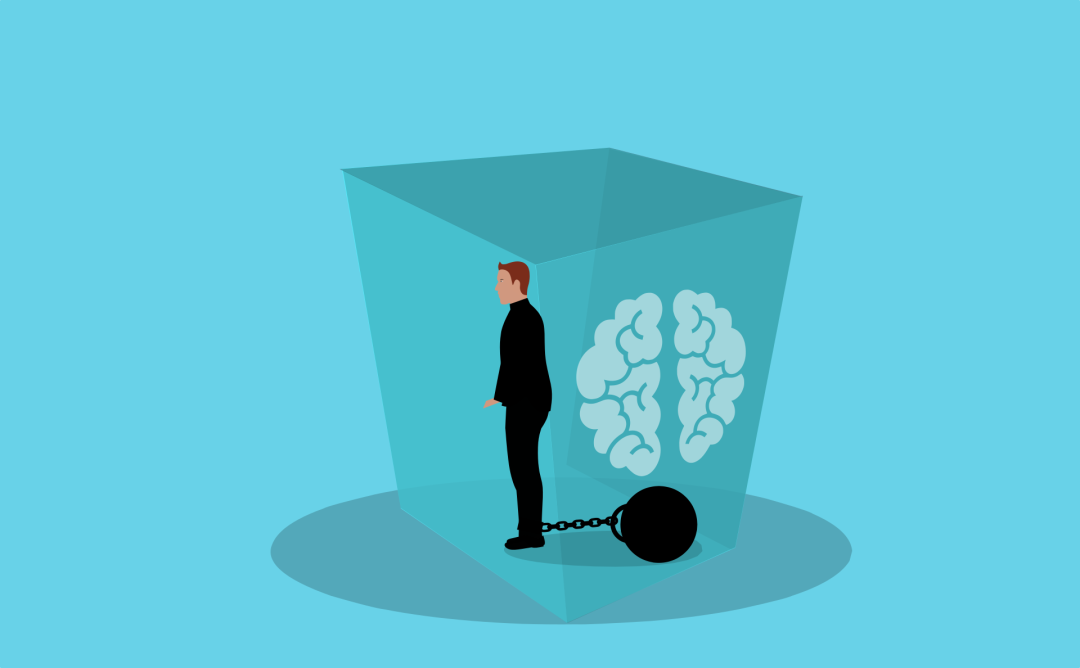
Image from Pixabay
The anxiety had weakened him so much that Jake couldn't function normally at work. This made him more anxious, and the problem spiraled further. When Jake came to my office, both his health and his company were on the verge of collapse.
Under Crisis, Entrepreneurs' Mental Health
Is Key to Business Success
Jake's situation wasn't unique. I've encountered hundreds of clients in similar circumstances. When we aggregate these cases, we find the direction toward solutions.
What most entrepreneurs don't realize is that maintaining mental health is like keeping your car's gas tank full. Too many entrepreneurs wait until smoke is pouring from the engine before they stop to refuel. The problem is, if you hit an unexpected detour or roadblock, the car stalls. Worse, you might permanently damage the engine.
The COVID-19 pandemic has had lasting effects on the global economy. Entrepreneurs' mental health matters not just for their own careers, but for helping businesses survive crises and achieve long-term prosperity.
Research shows that 72% of entrepreneurs face mental health issues, and nearly the same proportion currently receive no treatment.
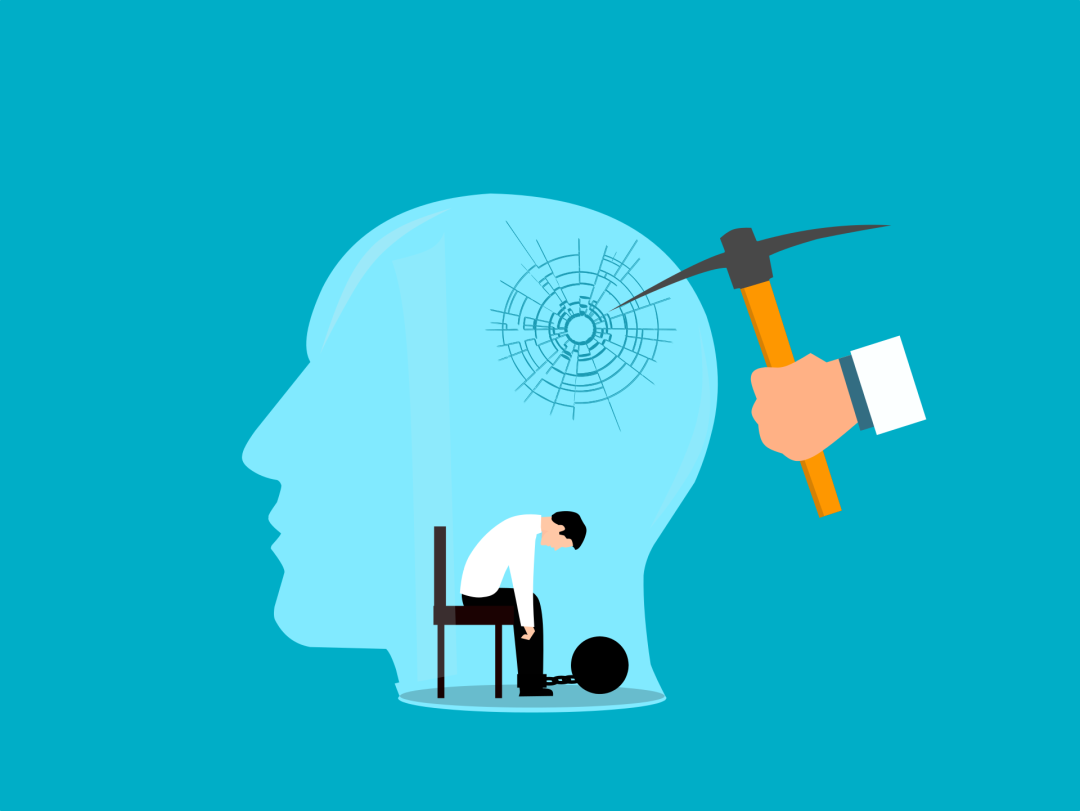
Image from Pixabay
Under prolonged uncertainty, founder-level mental health struggles can lead to leadership instability and eroded trust. Leaders often fail to create communal space, belonging, and playfulness — all critical to individual and organizational resilience. This top-down distress negatively impacts company morale, talent retention, incentive structures, performance, productivity, and output.
As Michael Dearing of Harrison Metal puts it: "Tech companies have enough money and enough talent. What really exhausts founders is dealing with the friction between the gears of the startup machine."
But Jake's approach wasn't the only way.
How to Build Resilience
Another client of mine, Sam, grew up in a military family that valued grit and facing hardship head-on. They often said, "Suck it up." Sam took great pride in his ability to power through difficult periods. After college, Sam founded a tech company that grew very quickly. But after an exceptionally grueling stretch of work, his girlfriend forced him to try therapy — which is how we met.
Progress with Sam was slow at first — he struggled to let me help. But he stuck with it. Over time, Sam began to realize that his "suck it up" mentality was both a strength and an obstacle. He came to understand that trying to handle everything alone sometimes left him lonely and overwhelmed. As he grew more comfortable relying on me, he also became better at relying on his team at work.
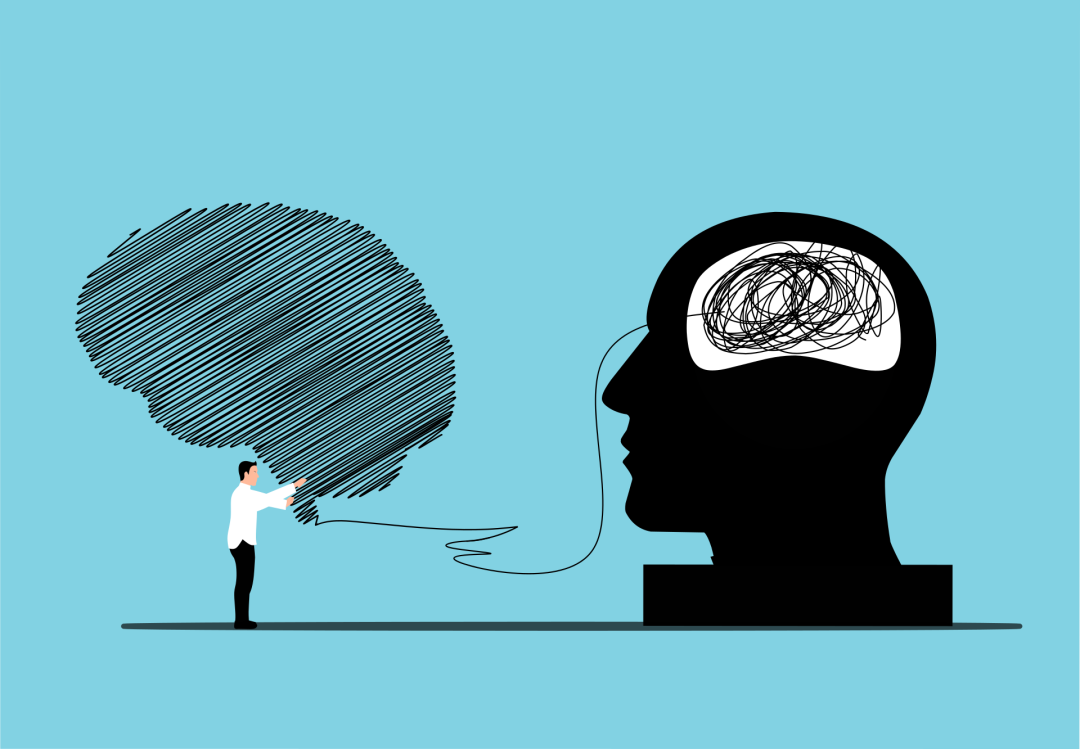
Image from Pixabay
As Sam began practicing self-care, his work performance and resilience improved. He stopped sacrificing sleep for work and started delegating tasks outside his strengths. He began meditating in the mornings and gave up the habit of checking his phone immediately upon waking. He found a coach to hold him accountable for physical health, and started treating therapy and time with himself as sacred.
When COVID-19 hit, Sam's company had to pivot overnight, an exceptionally heavy lift.
Unlike before, Sam no longer believed he could handle the crisis alone. Instead, he leaned into the idea that seeking support wasn't weakness — that outcomes were better when more people collaborated and contributed. Sam now had the mental and physical stamina to weather the storm. His tank was full; when he hit a roadblock, he had the energy to reroute. It made all the difference in the world around him.
Sam learned to stay present. He didn't worry about things that hadn't happened yet — layoffs, company collapse. While Jake was still paralyzed, Sam was already reaching out to colleagues and investors to find solutions to the problems at hand.
This approach allowed Sam's company to successfully withstand the COVID-19 test. His team maintained high morale and trust in the company. Sam invested substantial resources to support his team's mental health and opened the door to listening to employees' negative emotions rather than turning away. This, in turn, helped him make sound business decisions, and his team avoided major layoffs.
Entrepreneurial Resilience Isn't Innate,
It's Learned
Entrepreneurs' emotional health comes from their "investment" in seven key traits throughout life — self-awareness, empathy, willingness to engage, curiosity, mindfulness, resilience, and effective communication. Through these investments, Jake could become Sam. In fact, Jake and Sam eventually became the same kind of person. I first met Jake after his company's crisis, and treatment continued for two years until the pandemic arrived. His ability to face this unexpected crisis — far worse than the first — represented a remarkable transformation. His evolution, and his effectiveness in saving his company, demonstrated how important proactive investment in mental health truly is.
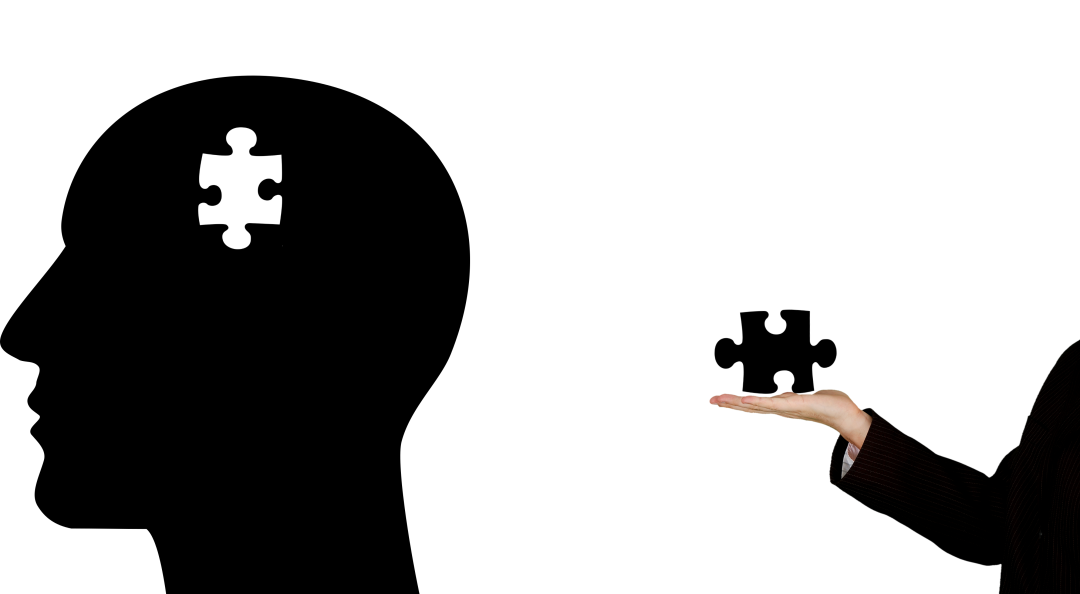
Image from Pixabay
But too many entrepreneurs fail to do this, and we all pay the price.
Business and work aren't just pillars of the economy — they determine the quality of our lives. When entrepreneurs neglect their emotional health, society suffers negative consequences.
Emotionally healthy entrepreneurs create emotionally healthy companies, which attract emotionally healthy employees, who create emotionally healthy products. You see, the benefits of "emotional health" compound exponentially.
Stress, uncertainty, and rapid change have become the norm. It's time for entrepreneurs to step back, assess their own fuel tanks, and invest in their psychological and emotional health. The only way to face a future full of change is to keep your tank full.


Issue 19: Entrepreneurs Must Learn to Let Go of Control
Issue 18: Entrepreneurs' Time Management — "Two Learnings, Three Principles, Four Quadrants"
Issue 17: Your Core Startup Team Needs a "Deep Dialogue"
Issue 16: Three Keywords in Corporate Crisis Management from the 3·15 Perspective
Issue 15: The New Evolution of Insurtech
Issue 13: Financial Opportunities in Industrial Internet
Issue 12: Strategic Thinking on Douyin Marketing for Consumer Brands
Issue 11: Inclusive Finance Under the New Economic Landscape
Issue 10: Brand: Meaning, Symbol, Value
More MaHui members can click "Read More" to view