The New Evolution of Insurtech | Code Brain Issue 15

Opportunities in Insurtech Entrepreneurship
Code Brain
Issue 15

Code Brain is a key component of Source Code Capital's systematic, productized post-investment service system, and a flagship offering designed to help Ma Hui entrepreneurs upgrade their knowledge. At each stage, we deeply understand and continuously explore entrepreneurs' needs, iterating on Code Brain in real time so that entrepreneurs at different stages receive ongoing intellectual nourishment. Our goal is to make post-investment services truly "helpful" and create unique value for founders.
With the implementation of regulations such as the Notice of the China Banking and Insurance Regulatory Commission on Standardizing Traceability Management of Internet Insurance Sales Behavior and the Measures for the Supervision and Administration of Internet Insurance Business, the industry is broadly focused on how insurtech can better embrace regulation and unlock more growth opportunities on a foundation of compliance — all against a backdrop of standardized development and risk prevention.
This issue's Code Brain "Insurtech Special" closed-door seminar invited senior experts in insurtech and related fields to join Source Code Capital portfolio companies and strategic partners for in-depth discussions on the current insurtech regulatory environment, IPO landscape, and new industry formations.
Bai Yue, Executive Director of Goldman Sachs' Financial Institutions Group; Wang Yu, Party Secretary of China Huanong Property Insurance; and Li Yonghu, CEO of Bee Tech, the technology subsidiary of SCOR Group, delivered keynote presentations. Representatives from Source Code Capital portfolio companies also actively participated, including Fang Rui, CEO of Yuanbao; Chen Xiao, Co-founder of Baoxianshi; Li Yajie, CEO of Fucunbao; and Zhang Nan, Product Lead at Insnail. The session was co-hosted by Source Code Capital Partner Wu Jian and Executive Director Sun Tong.
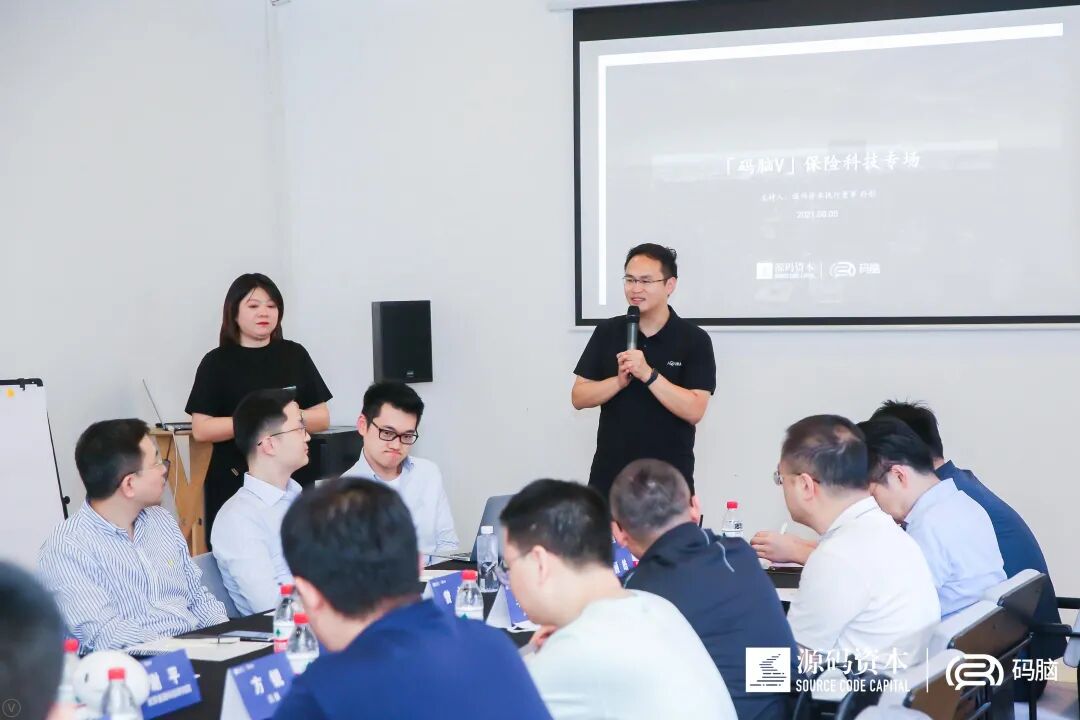
Below are highlights from this closed-door seminar
(Content organized by theme and speaking order, in no particular ranking)
The Insurtech IPO Landscape
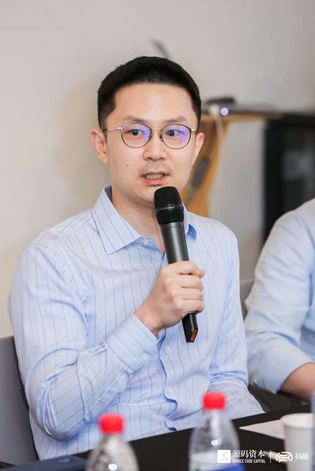
Bai Yue, Executive Director of Goldman Sachs' Financial Institutions Group
Bai Yue, Executive Director of Goldman Sachs' Financial Institutions Group, analyzed the current capital markets environment and offered corresponding recommendations:
On the overall overseas listing environment: International investors remain attentive to and concerned about changes in China's regulatory environment. Additionally, whether choosing the United States or Hong Kong as a listing venue, companies are advised to first report to domestic regulatory authorities.
On factors in selecting a listing venue: From the company's perspective, three main considerations apply: first, compliance requirements for shareholding structure; second, regulatory requirements; and third, corporate governance — Hong Kong's acceptance of weighted voting right (WVR) structures has declined. From the marketing perspective, three main considerations apply: first, investor base — there is little difference for investors between U.S.-listed or China-concept stocks; second, comparable companies/valuation — tech companies still primarily target the U.S. market; and third, aftermarket performance — Hong Kong lags behind the U.S. in liquidity, particularly for small and mid-cap stocks, while U.S. listings facilitate subsequent capital operations.
Recommendations for companies with IPO plans: First, maintain ongoing transparent communication with regulators — clarify from the outset the degree of regulatory acceptance for your business model and the level of support your listing plan can obtain. Second, pay attention to valuation management throughout the entire listing process. Third, be mindful of friends and family share allocations.
Reinsurers' Partnership Strategies
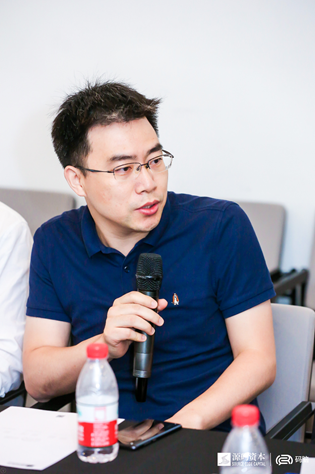
Li Yonghu, CEO of Bee Tech, the technology subsidiary of SCOR Group
Li Yonghu, CEO of Bee Tech, the technology subsidiary of SCOR Group, explained reinsurers' logic:
There are four levels of cooperation between reinsurers and technology companies: Level one: no cooperation. Not all reinsurers actively seek partnerships with tech companies; these follow a risk-trading approach, focusing on buying and selling risk itself.
Level two: one-stop bundled services. Cooperating with certain tech products to provide bundled, one-stop services to direct insurers.
Level three: strategic partnerships. Reinsurers that place heavy emphasis on risk control actively seek strategic cooperation with technology companies.
Level four: partial equity stakes, ecosystem building. Reinsurers inclined to build strategic ecosystems aim for deep integration of insurance and technology, going beyond merely using tech products for individual business lines.
From SCOR Group's observation, truly technology-driven quantitative insurance risk assessment and AI-enabled deep underwriting in China's life and health insurance sectors remain in early stages. SCOR Group currently employs a strategy combining strategic partnerships with selective investments.
The historical evolution of reinsurer-tech cooperation — from self-operated marketing channels a few years ago to gradual expansion into risk control in recent years.
Li Yonghu noted that marketing channels were the starting point for reinsurer cooperation; now reinsurers are considering new paths beyond this. Tech channel companies and certain listed sales platforms face challenges concentrated in product supply chains, and seek more strategically oriented cooperation with reinsurers; reinsurer involvement will enhance their supply chain management, particularly for innovative products.
Additionally, reinsurers have increased investment in risk control in recent years. A new trend in the market over the past two to three years is that some more open-minded tech companies, while selling on their own platforms, are seeking direct cooperation with reinsurers on risk control. In the near term, reinsurers' advantages in risk control will continue to be evident.
As mentioned, reinsurers hope to build their own ecosystems. For instance, health management has become a hot area in recent years, and many reinsurers have increased investment here, hoping to build brands and drive genuine shifts in people's health management awareness and mindset.
In health insurance, the more vertical the domain, the more accurate the annual payout calculation; on this basis, "vertical UnitedHealthcare-type models" may be a viable path. For a specific niche, collecting data and analyzing whether incidence rates, recurrence rates, and other key indicators show significant declines.
Data in health management is critically important, mainly in two aspects: first, risk quantification; and second, demonstrating through services that incidence/recurrence rates are declining and people's health status is improving.
Furthermore, Li Yonghu pointed out that China's public governance is committed to improving social equity and efficiency, with particular emphasis on supporting rural areas; analysis and judgment of industries and sectors should be grounded in understanding this broader context.
Insurance Companies' Technology-Driven Strategic Transformation
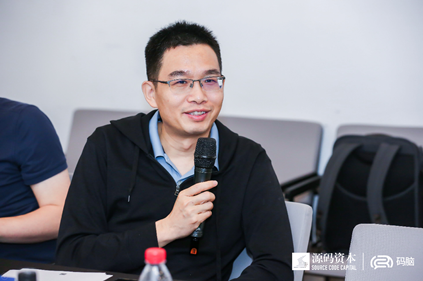
Wang Yu, Party Secretary of China Huanong Property Insurance
Wang Yu, Party Secretary of China Huanong Property Insurance, used Huanong as a case study to introduce its technology-driven strategic transformation from three angles: the rationale for the decision, specific measures, and practical applications. The fundamental reason for Huanong's strategic transformation was recognizing the homogenized, low-level competition in China's insurance industry and the severe lag in intelligent and digital infrastructure — making technological transformation a leapfrog development opportunity that the company firmly pursued to enhance core capabilities through technology. Huanong approached this from four dimensions with concrete measures: first, transforming organizational ecology and cultural mechanisms to build a new system adapted to technology-driven development; second, breaking down siloed information systems to establish unified, high-concurrency, low-latency data and business middle platforms, while enabling self-developed, rapidly iterative front-end products; third, applying big data and artificial intelligence; and fourth, maintaining an open and learning-oriented mindset in cooperating with technology companies.
Wang Yu noted that for small insurers, completing this technological transformation significantly helps business growth, human capital efficiency, and enterprise development — he believes technology holds enormous potential to advance the entire industry. Insurtech startups are a very promising force driving industry growth.
Discussion Highlights

Li Yajie, CEO of Fucunbao
Li Yajie, CEO of Fucunbao, expressed concern about Huiminbao (inclusive health insurance) products, noting the need to watch for potential adverse selection risks — from the enrolled population's perspective, higher-risk individuals will increasingly concentrate; on the other hand, mainstream products are increasingly trending toward off-directory coverage, and enrolled individuals may tend toward higher-standard treatments, with rising individual treatment costs potentially forcing premium increases and affecting renewal rates.
He believes Huiminbao's development will influence the entire domestic health insurance industry. Currently, regions where Huiminbao has been implemented more successfully tend to be those with stronger economic development and higher levels of rule-of-law culture. Local governments there have sufficient motivation and capability to iterate and upgrade products and resist the aforementioned risks.
Li Yonghu responded to Li Yajie's points from a reinsurance perspective. He noted that reinsurers are currently very cautious about participating in Huiminbao coverage risk, generally considering the risk difficult to predict. However, Huiminbao was overall profitable in its first year. From this perspective, China's health insurance market remains in early stages — how to precisely predict risk costs is quite difficult and worth reflecting on. Huiminbao requires government guidance and standardization to achieve sustained enrollment and enter a healthy development cycle. Critical illness insurance may see similar programs in the future; the essence is government participation in data assets as factors of production in the distribution process.
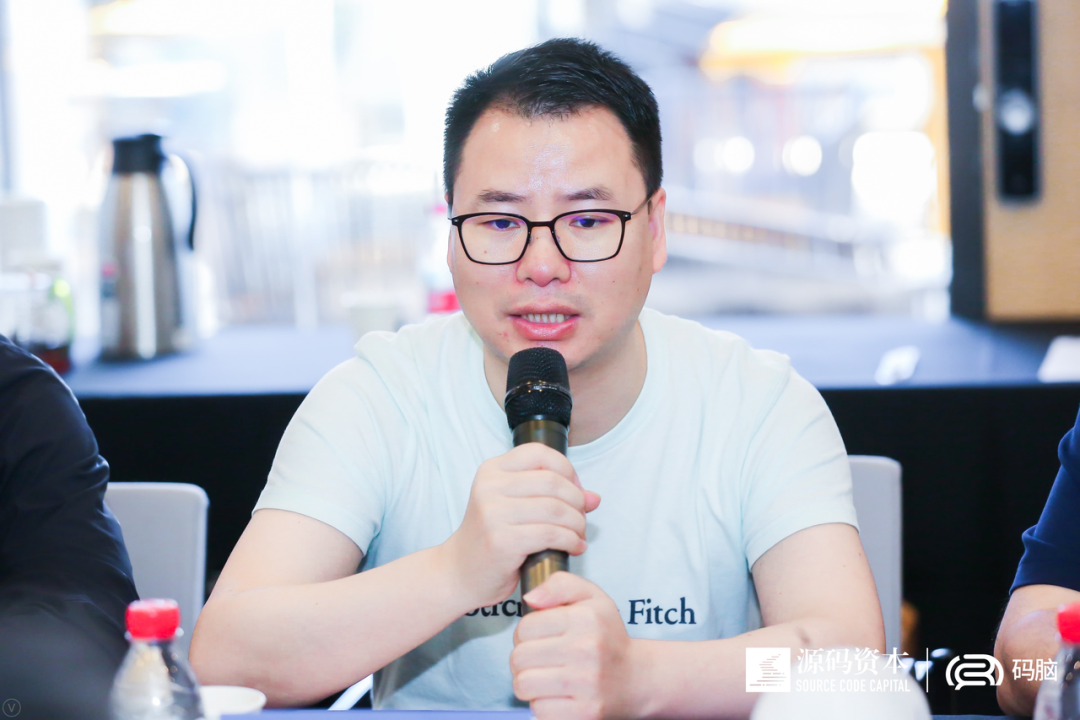
Fang Rui, CEO of Yuanbao
Fang Rui, CEO of Yuanbao, led discussion with attending guests on how to achieve product or business innovation within the overall requirement of licensed operations. The prevailing view was that room for innovation always exists, provided the bottom line is maintained. Taking technical service provision as an example, the Measures for the Supervision and Administration of Internet Insurance Business permits insurance companies to cooperate with and pay partners providing technical support and other services. Meeting compliance requirements while exploring continuous service upgrades — including improving insurer profitability and promoting health management — remains a significant task for insurtech companies.
Chen Xiao, Co-founder of Baoxianshi
Chen Xiao, Co-founder of Baoxianshi, also focused on the Measures for the Supervision and Administration of Internet Insurance Business. He noted that the Measures permit insurance institutions to pay relevant fees to partners providing technical support, customer service, and other services, while stipulating payment methods and other requirements. On this basis, regarding potential new requirements for companies providing channel-type technical services to insurers, Chen Xiao also sought opinions from attending guests.
Some views held that such channel service providers may trend toward being required to obtain licenses. Others held that as relevant regulations become increasingly comprehensive and systematic, compliant and reasonable technical service fees will also trend toward standardization.
(The above remarks represent personal views of the speakers, not Source Code Capital, and are for reference only)

More Code Brain Content
Issue 14: "Small" Trademarks, "Big" Trouble — How to Effectively Avoid Pitfalls on the Entrepreneurial Journey Issue 13: Financial Opportunities in Industrial Internet Issue 12: Strategic Thinking on Douyin Marketing for Consumer Brands Issue 11: Inclusive Finance Under the New Economic Landscape Issue 10: Brand: Meaning, Symbol, Value Issue 9: Stoking the Fundraising Fire Issue 8: Tapping India — Practical Insights Issue 7: How to Design Mini Program Virality — Acquiring Users at Low Cost